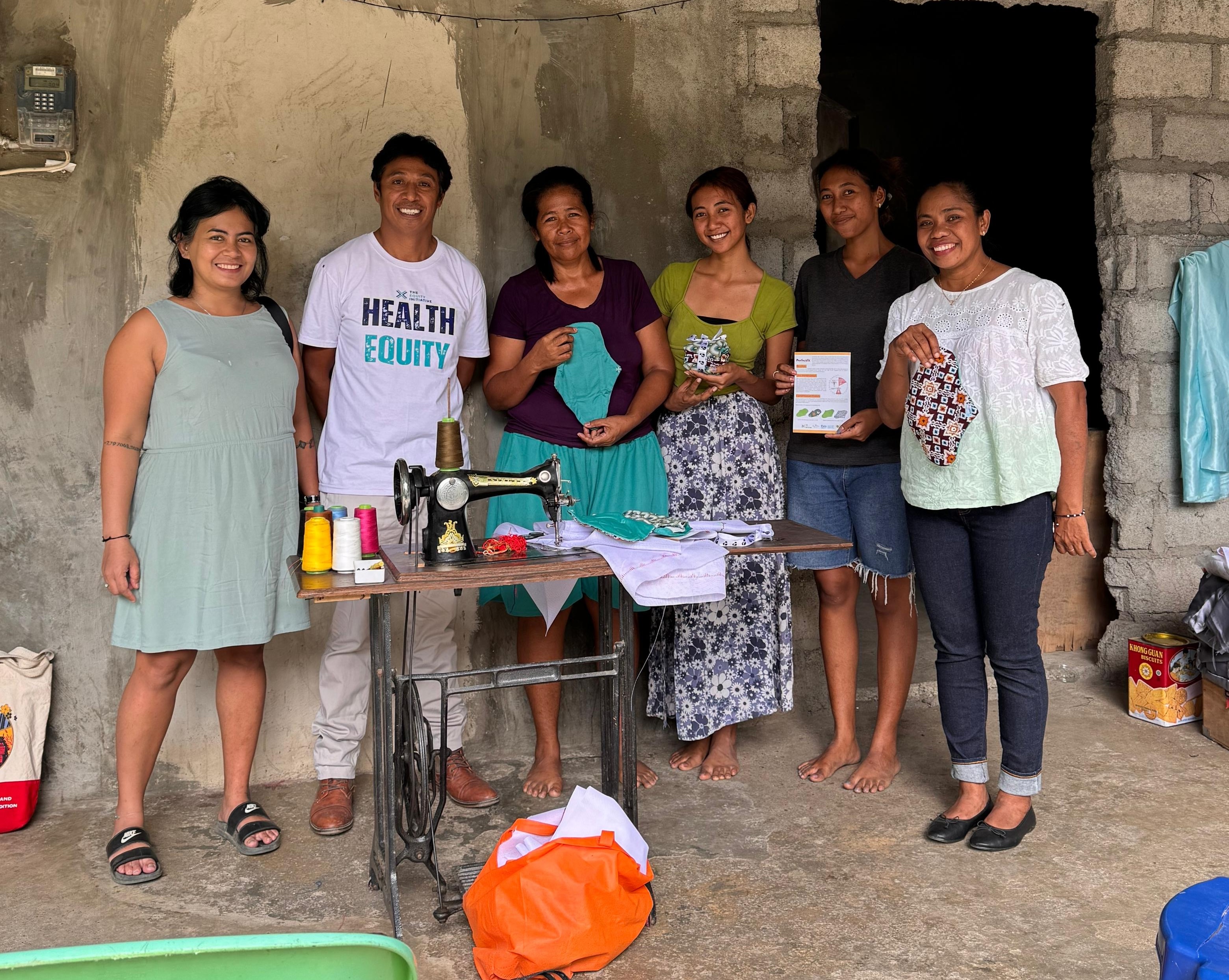
Strengthening Girls’ Health and Empowering Their Voice
SHE Project in Timor-Leste
In Ermera village and on Atauro Island in Timor-Leste, adolescent girls face layered barriers to health and opportunity. Menstruation remains a taboo topic, with limited information, scarce menstrual products and inadequate toilets at school. Shame, silence and poor facilities combine to keep girls out of class and out of conversations about their own bodies and rights.
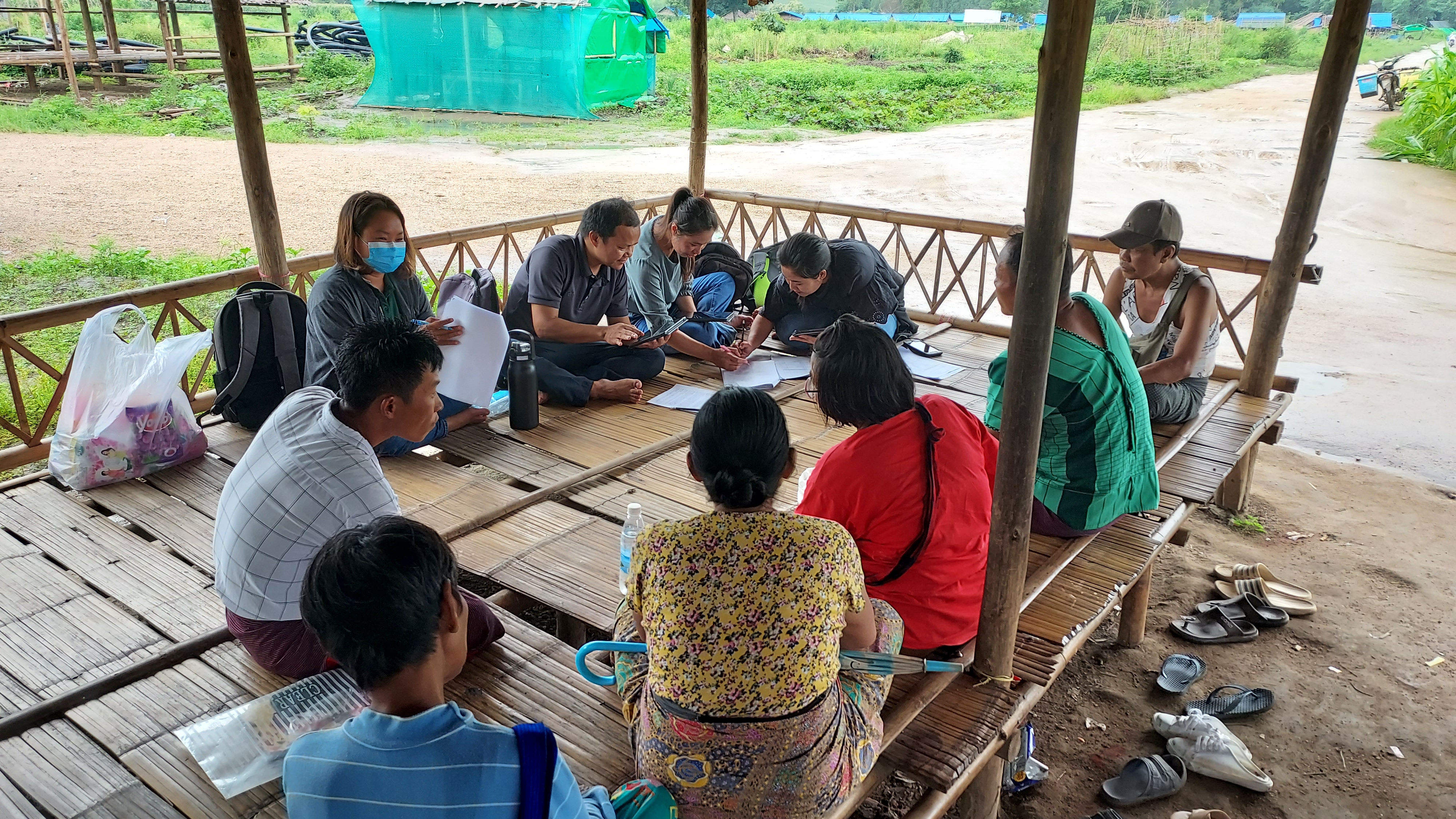
Three EI Fellows, Yusridar Mustafa (2024, Indonesia), Emmanuel Martins (2024, Timor-Leste), and Andre Pereira Belo (2024, Timor-Leste), came together to launch the SHE Project, focusing on menstrual health as an entry point to girls’ voice and dignity. They ran peer education sessions with 300 schoolgirls, opening safe spaces for questions and honest discussions. Working with a local organisation Sabeh, they designed community outreach and participatory campaigns that invited parents, teachers and community leaders into the conversation. The project also distributed 150 reusable pad kits to schoolgirls and began rehabilitating toilets in one school and a public site, pairing knowledge and dialogue with practical improvements in daily life.
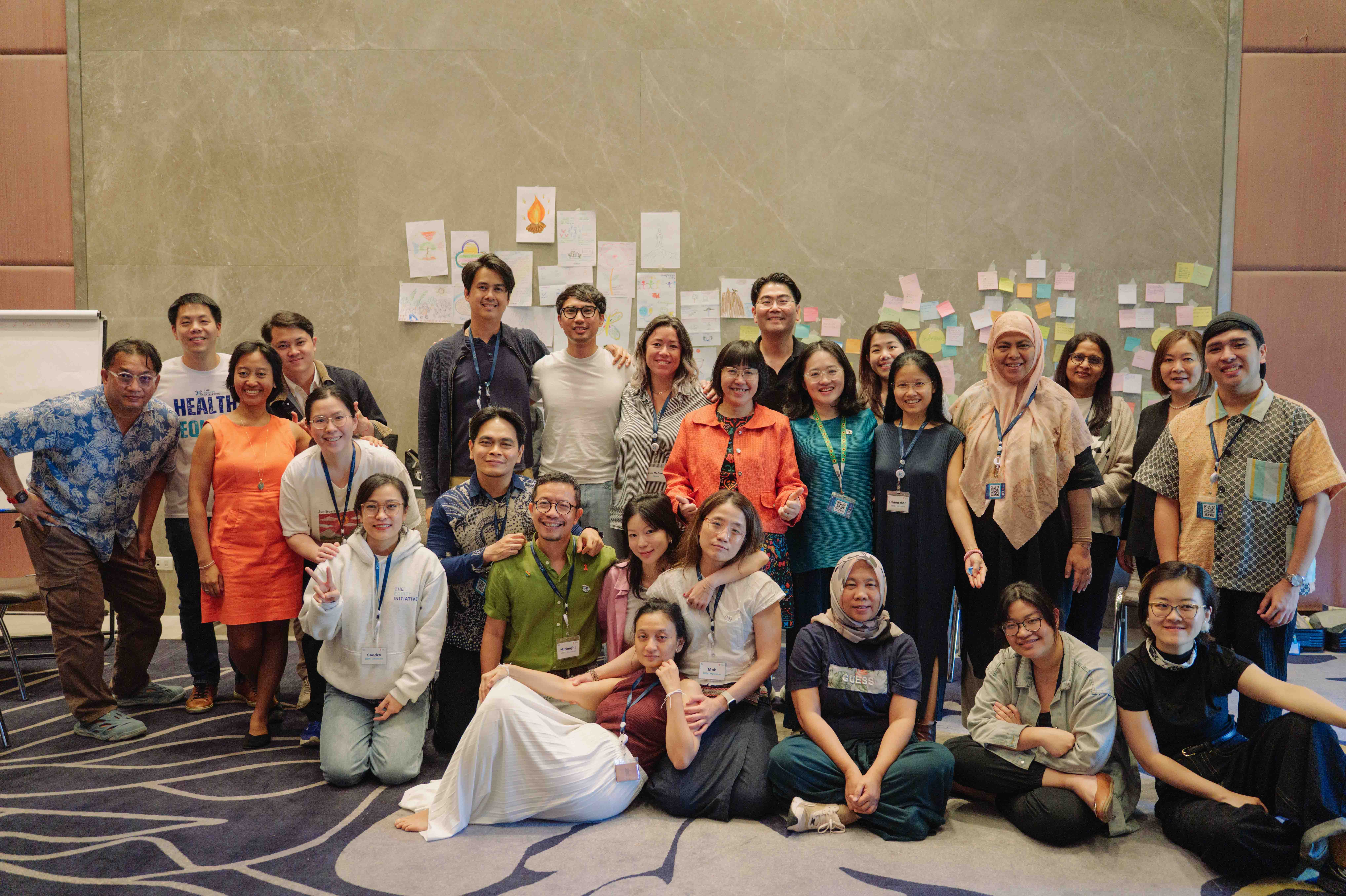
EI Fellows smile for a photo with the village residents
Although the project is still underway, early signs are promising. Engagement with schools, local authorities, women parliamentarians and national ministries is building a foundation for longer-term support, while collaboration with local NGOs and schools is strengthening trust and shared responsibility for girls’ wellbeing.
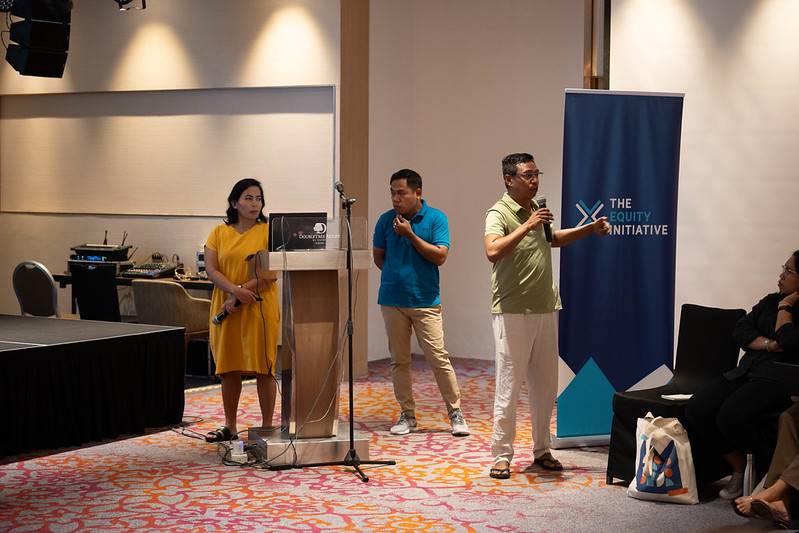
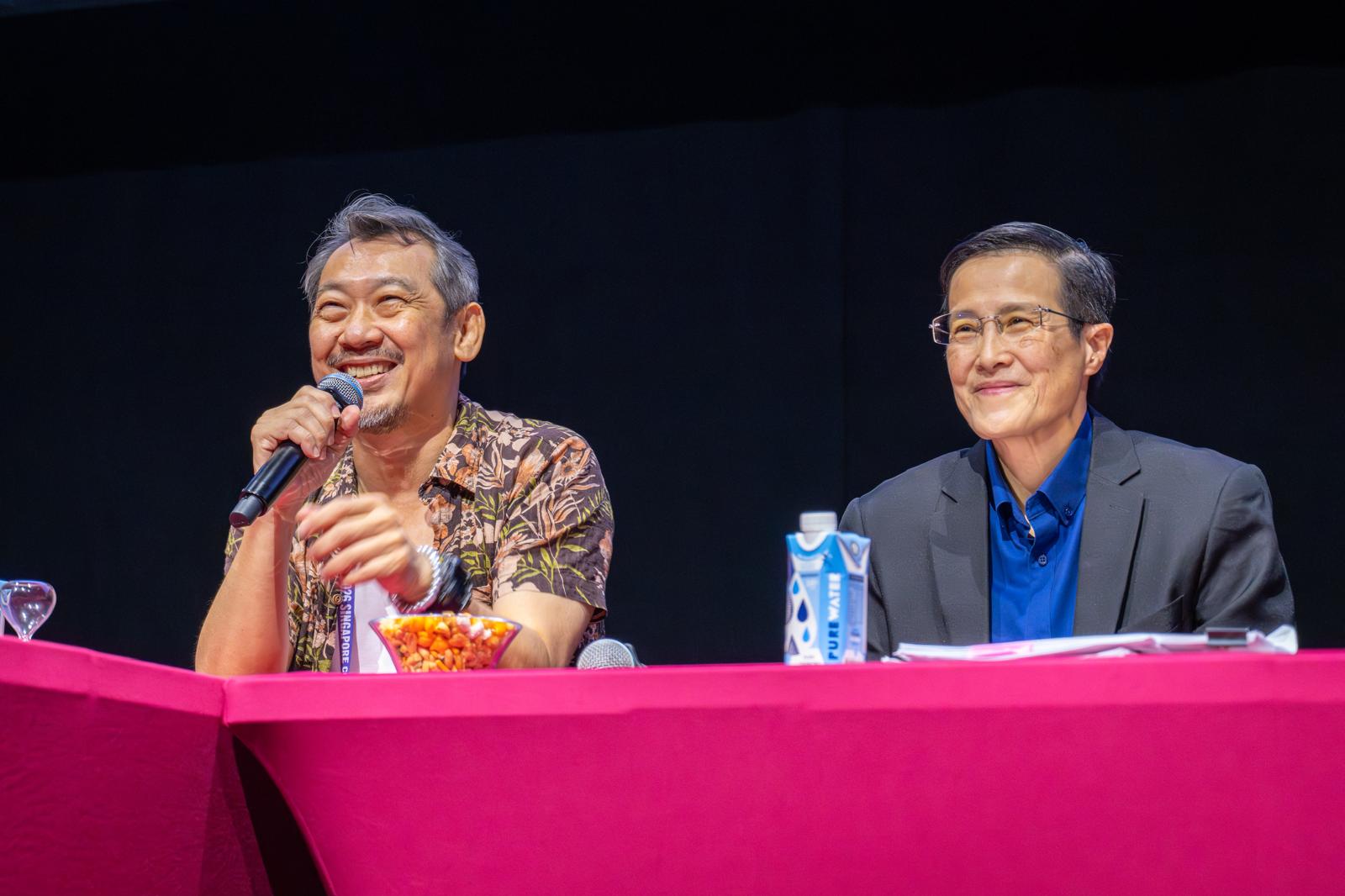
From Left to Right: Yusridar Mustafa, Emmanuel Martins, and Andre Pereira Belo
For the three Fellows, SHE has been as much a leadership journey as a public health initiative. Working across islands, with limited resources and different cultural contexts, they have had to share leadership, clarify complementary roles and practice adaptive management to keep the project on track. They describe the work as a “live classroom” for learning how to lead together, stay flexible and build intercultural competence. Beyond reusable pads and toilets, the project is reshaping how they understand power, partnership and what it takes to create spaces where girls’ bodies, voices and futures are taken seriously.
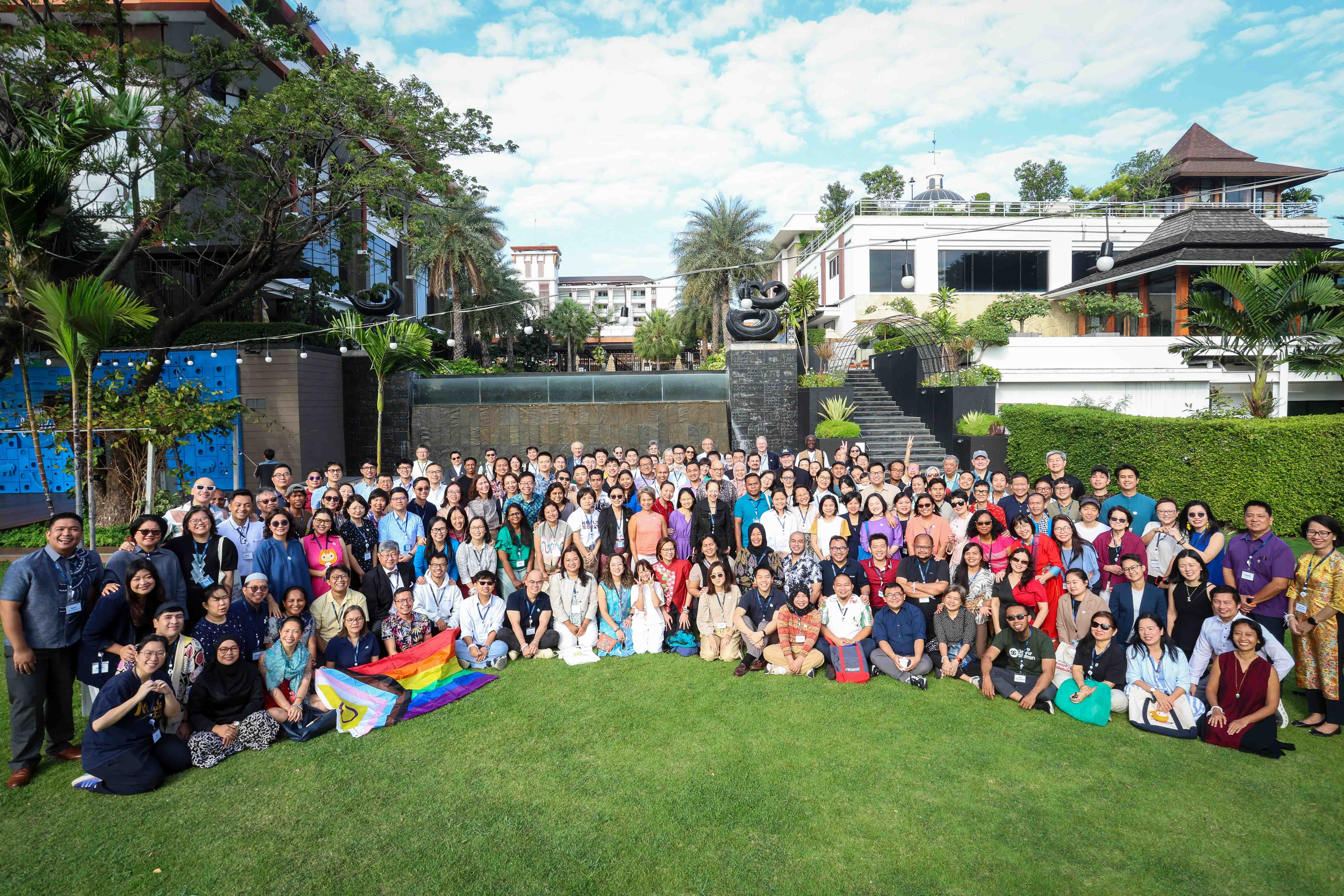
This story is part of the Equity Initiative’s 10-year anniversary, celebrating a decade of leadership, collaboration, and impact across Southeast Asia and China.
Related News