Championing Equity: Building Women's Leadership in Remote Laos
In the remote communities of Pakbeng District, Oudomxay Province, ethnic minority women leaders are beginning a year-long journey toward stronger voices in the decisions that shape their lives and communities.
For many women in rural Laos, participation in leadership and decision-making remains limited by a combination of geographic isolation, scarce access to training, and deeply rooted social norms. In Pakbeng District, these challenges are felt especially among ethnic minority women, who navigate additional barriers of language and cultural context alongside the realities of remote community life.
The project Championing Equity: Strengthening Decision-Making Capacities of Women Leaders in Remote Lao Communities brings together Equity Initiative Fellows and local partners to address these gaps through capacity-building initiatives grounded in locally appropriate, community-centered approaches.
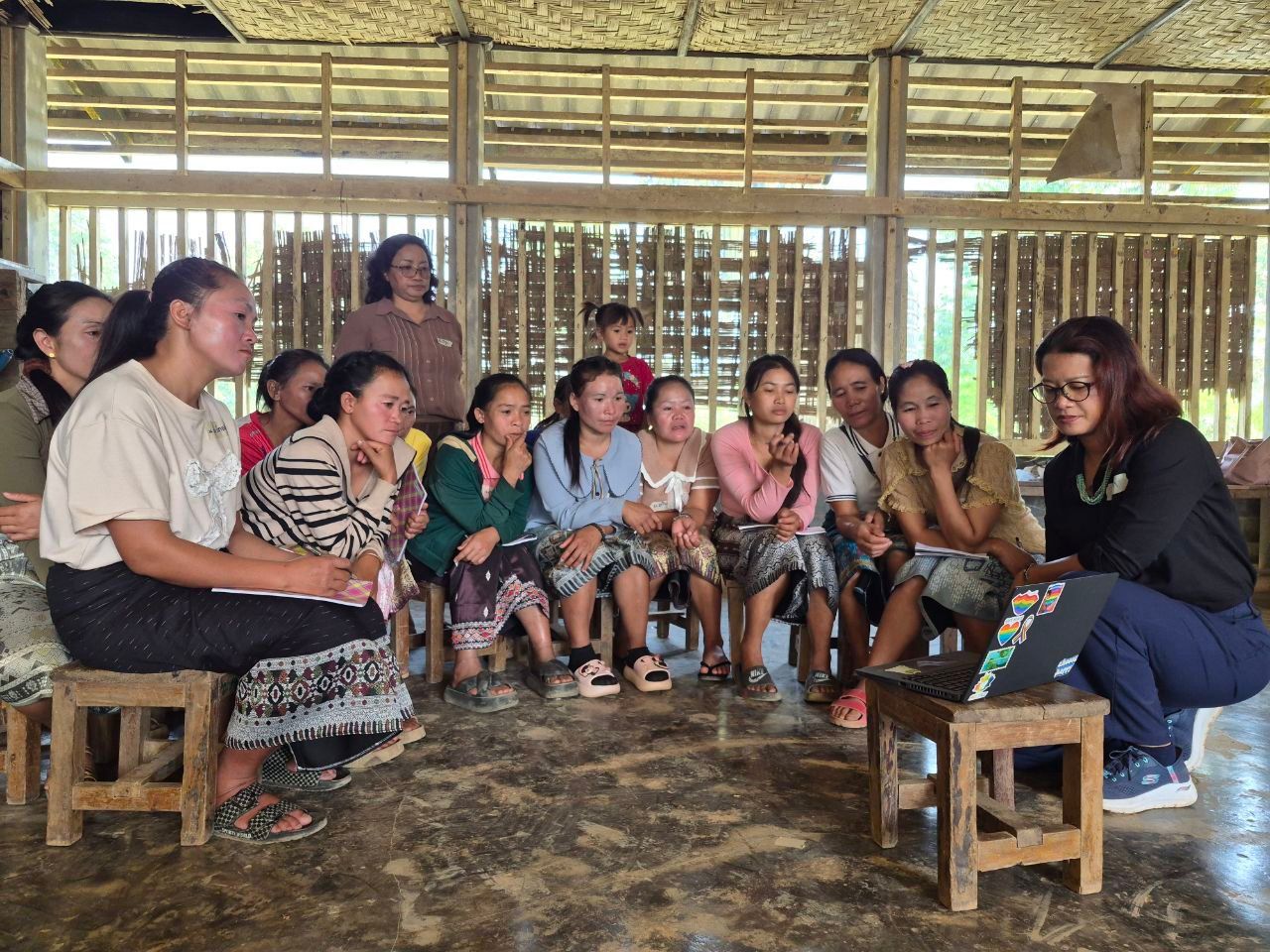
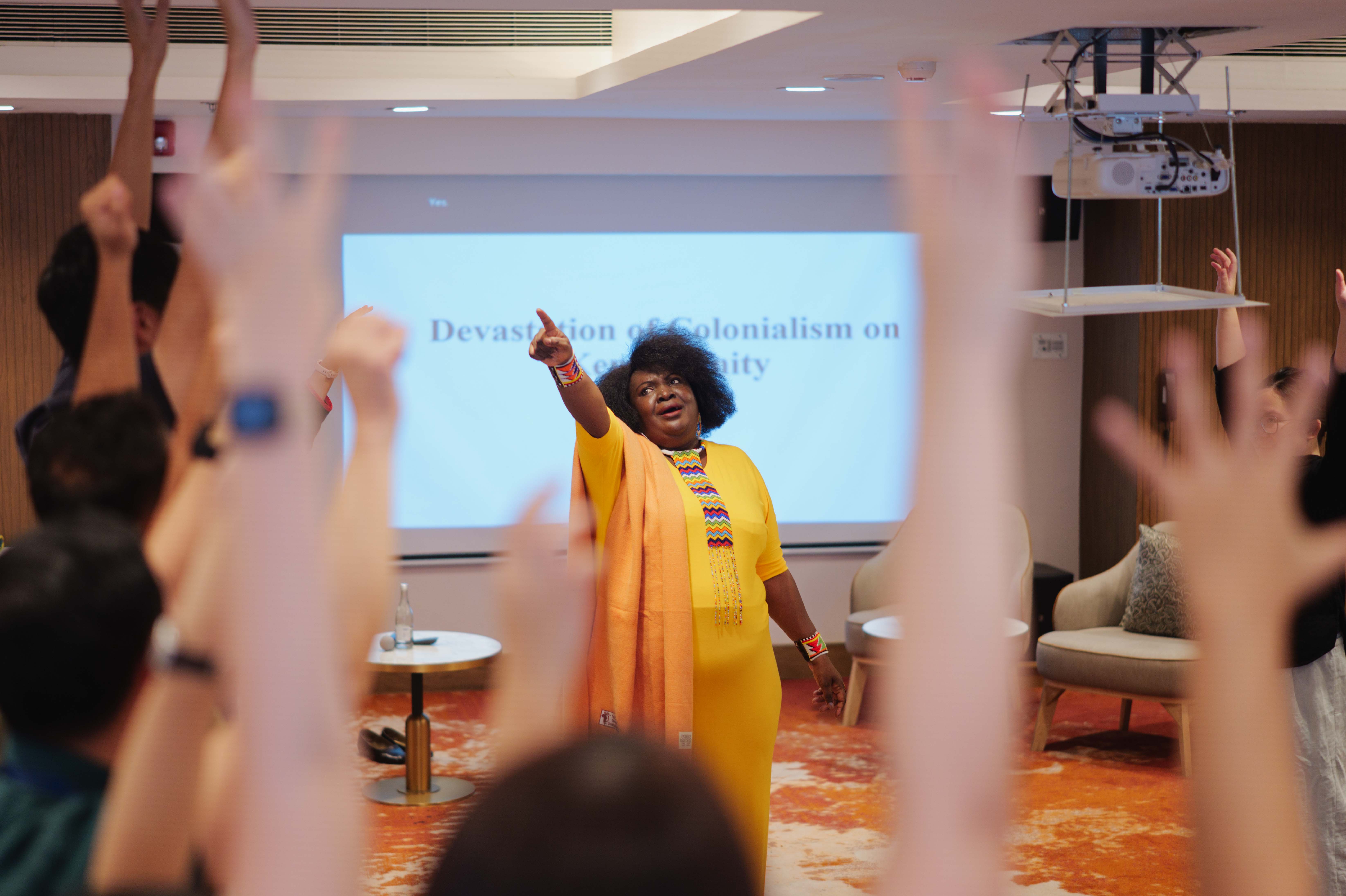
One of the workshop trainning sessions led by Socheata Sim (Cambodia, 2025) in the right
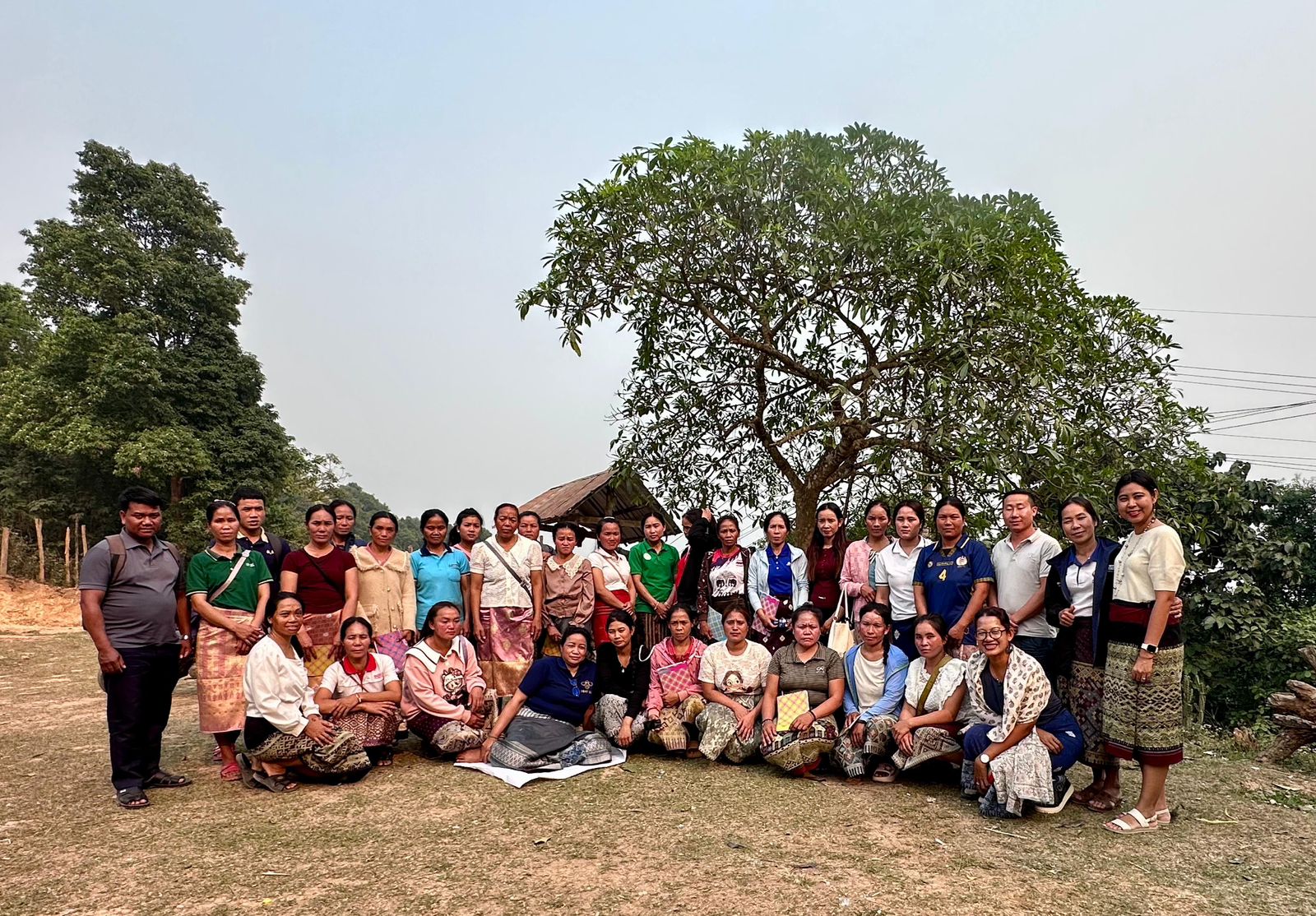
Between March 31 and April 1, 2026, the project launched its first round of training with staff from the Association for Extension of Sustainable Beekeeping Oudomxay (AESBO) and the Lao Women's Union (LWU), engaging 25 women from three villages in Pakbeng District.
The training covered key topics including gender and social norms, confidence building, self-awareness, decision-making processes, participatory planning, and effective participation. A central focus was safeguarding, supporting participants to better understand and identify sexual harassment, abuse, and exploitation within their communities.
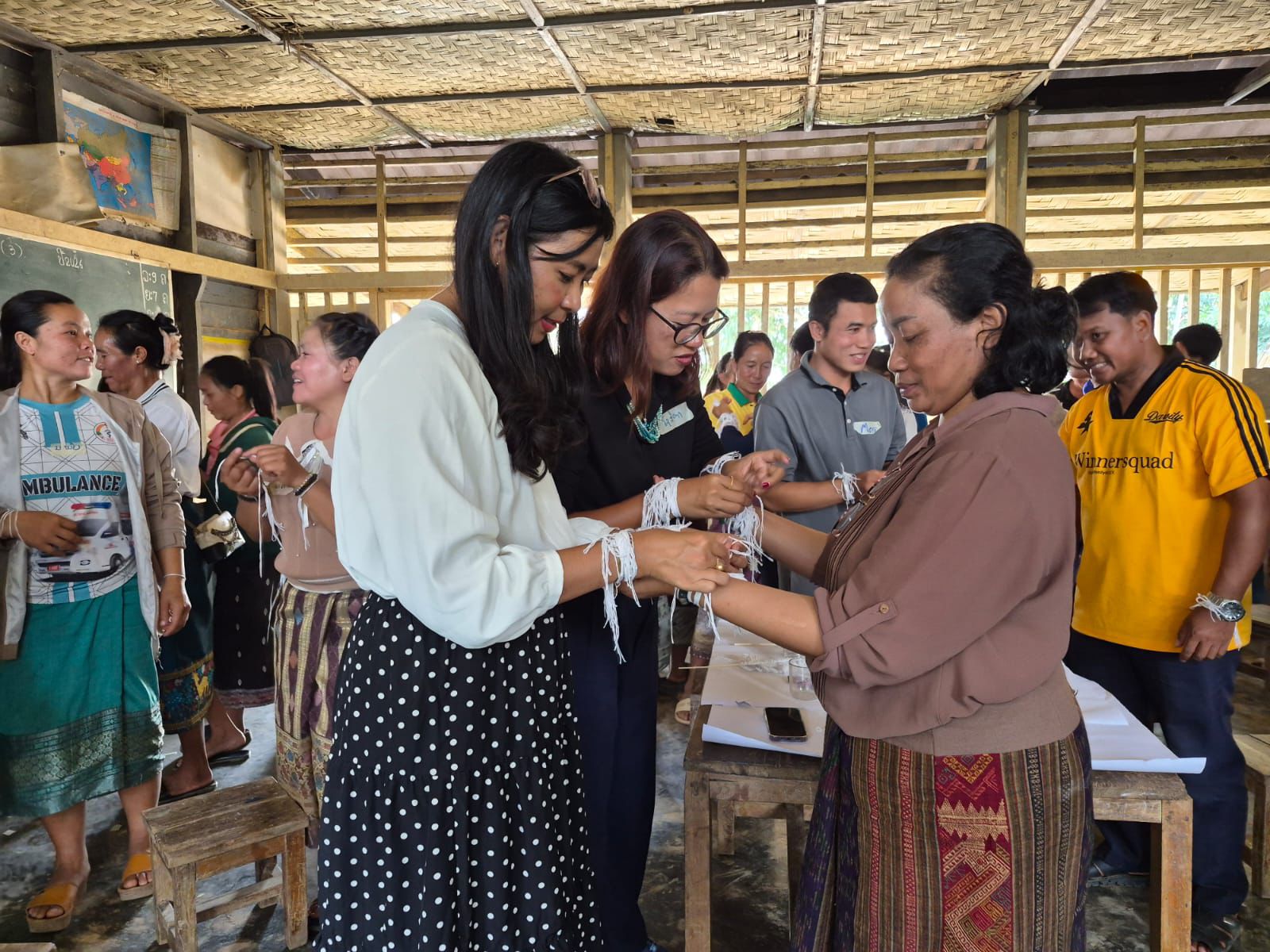
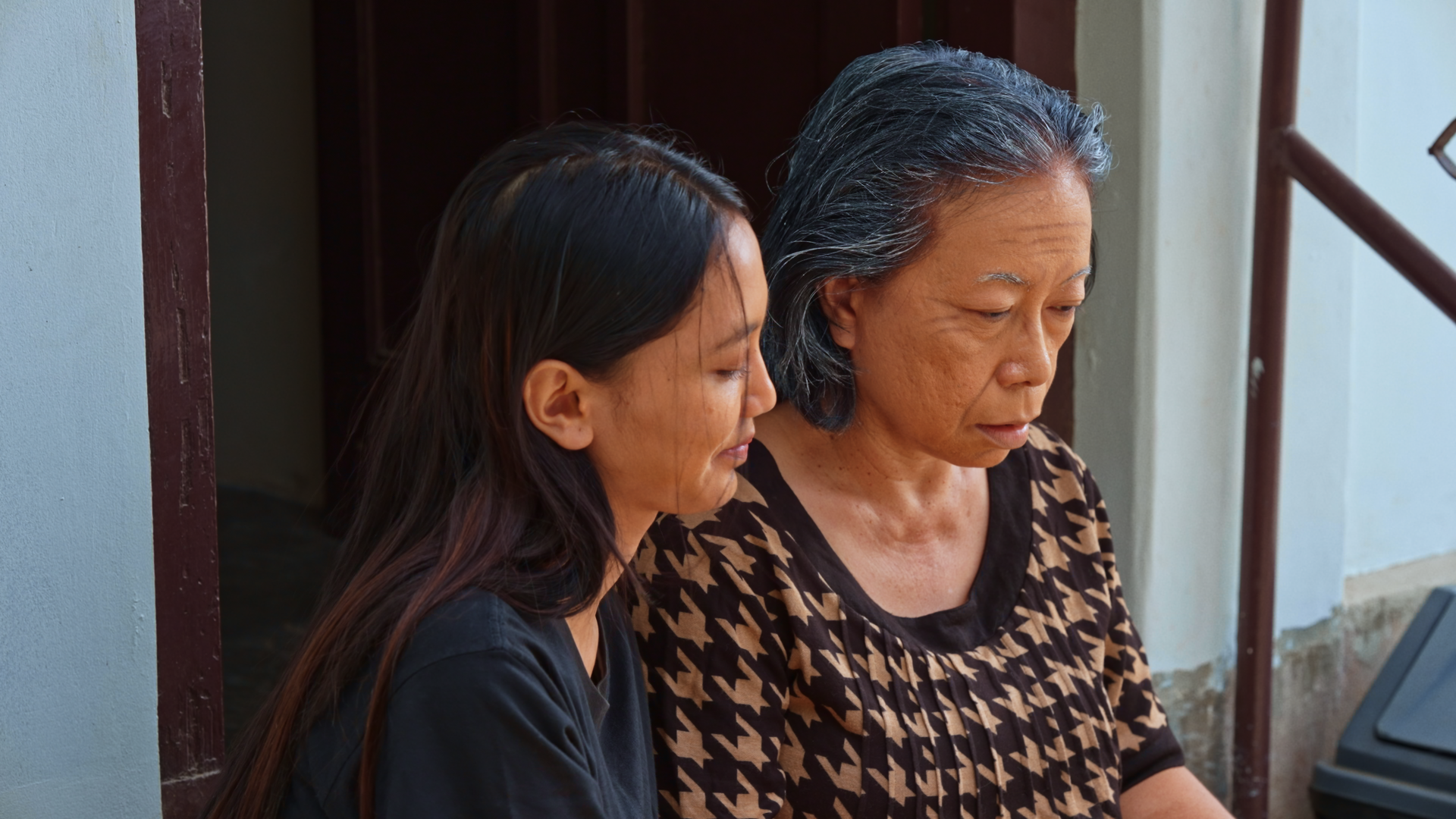
Ei Thant Khing’s (Myanmar, 2025) (left) and Socheata Sim’s (Cambodia, 2025) (middle) tying knots on workshop participants
"I was very impressed because I learned new training methods that I had never practiced before," said Simone, a staff member of AESBO. "I had the opportunity to share experiences and discuss challenges I had never shared before, which gave me more confidence. I also learned about my rights and safeguarding."
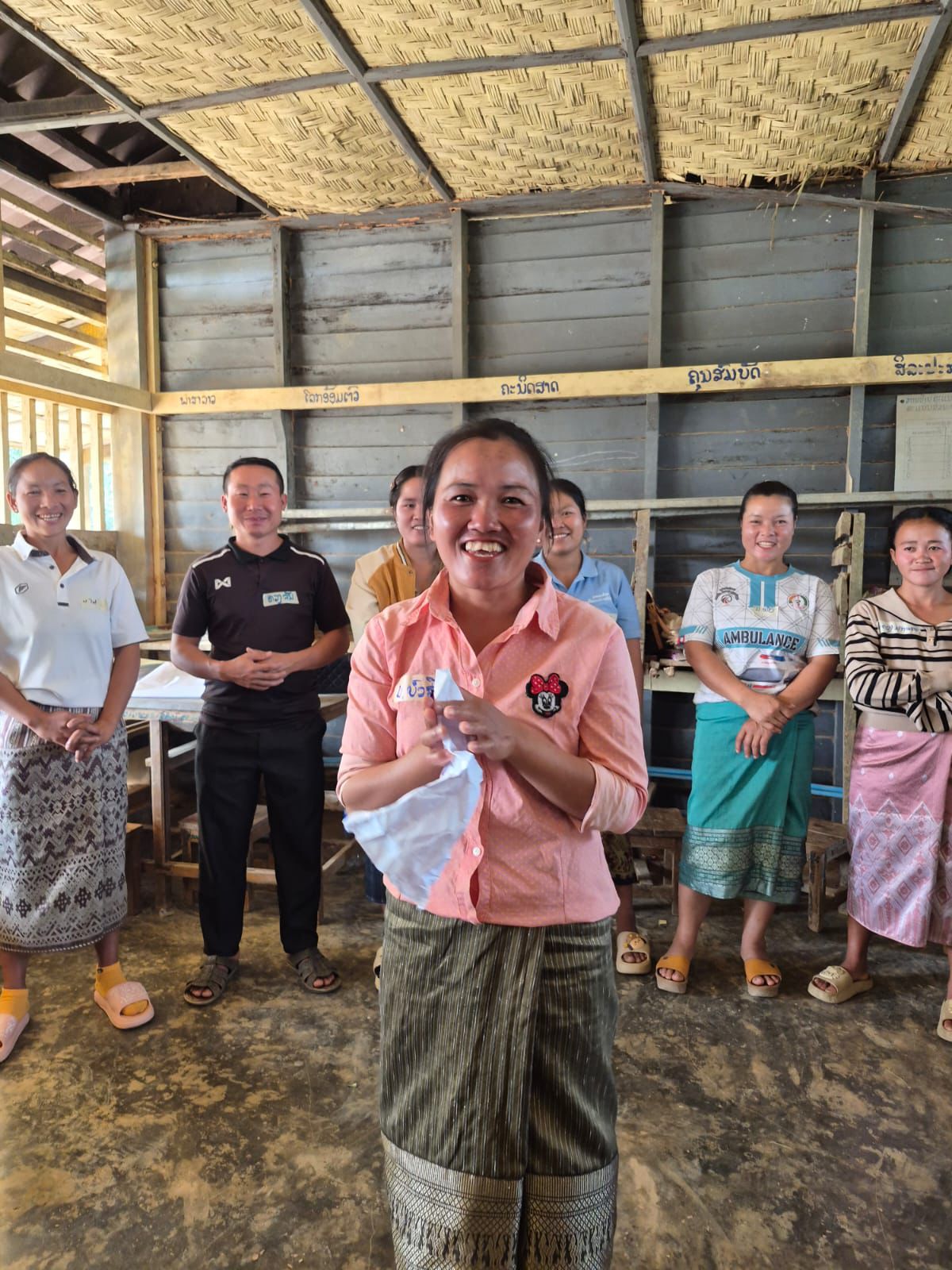
The participants celebrating one another's progress throughout the workshop
These first engagements between Fellows and local women mark an enthusiastic starting point. The work ahead will continue to be shaped by the communities themselves, with methodologies and language tailored to reflect local realities and priorities. Through continued collaboration with AESBO, LWU, and the women of Pakbeng District, the project seeks to strengthen the role of women leaders in shaping the decisions that affect their communities.
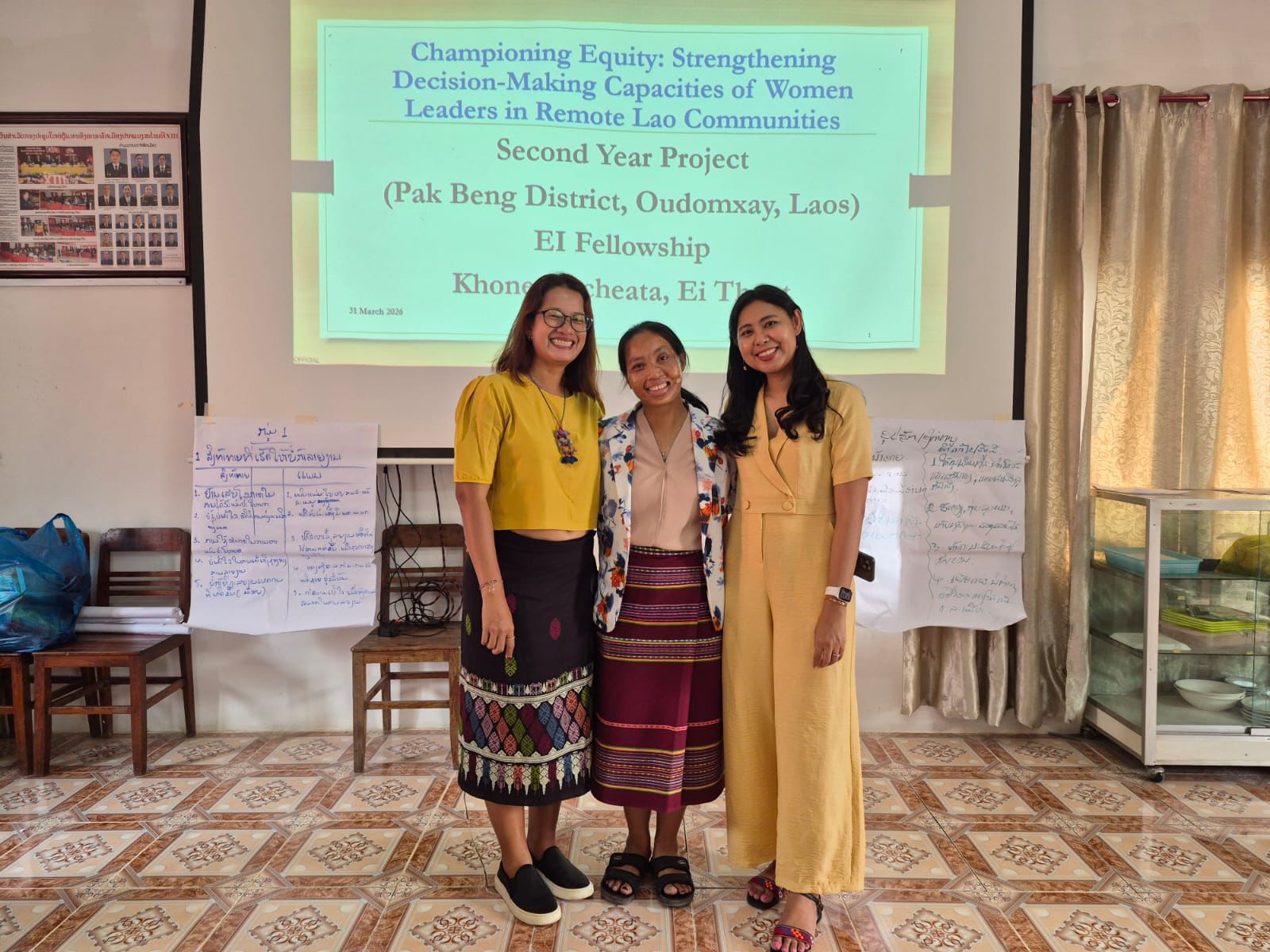
From left to right: Socheata Sim (Cambodia, 2025), Khonemany Innoukham (Laos, 2025), and Ei Thant Khing (Myanmar, 2025)