Stories for Health Equity
Check out the short film adaptations here!
Spotlighting the Silent Voices
Across countries in Southeast Asia and China, people’s health are shaped as non-clinical factors such as housing, geography, work, migration, and disabilities that may lead to discrimination and neglect by hospitals and clinics. Yet the people most affected by these inequities are often silent or omitted from the table in discussions around health. To spotlight these silent voices, three EI Fellows, Clive, Thiri and Putri, chose a project on storytelling, instead of a more traditional service type programme, collecting, curating and publishing personal stories that reveal the powerful impact of social determinants of health, from the perspective of those living them.
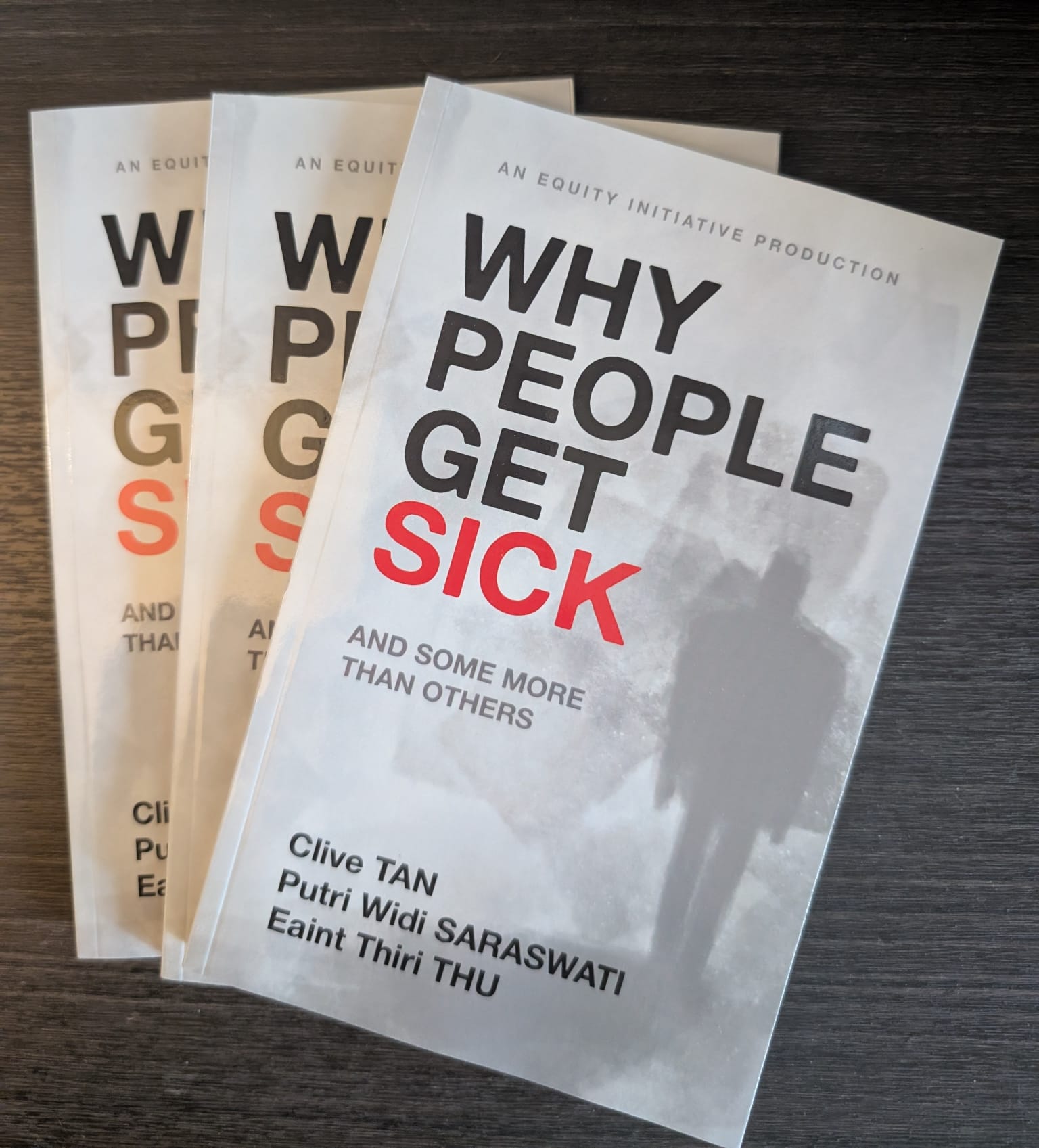
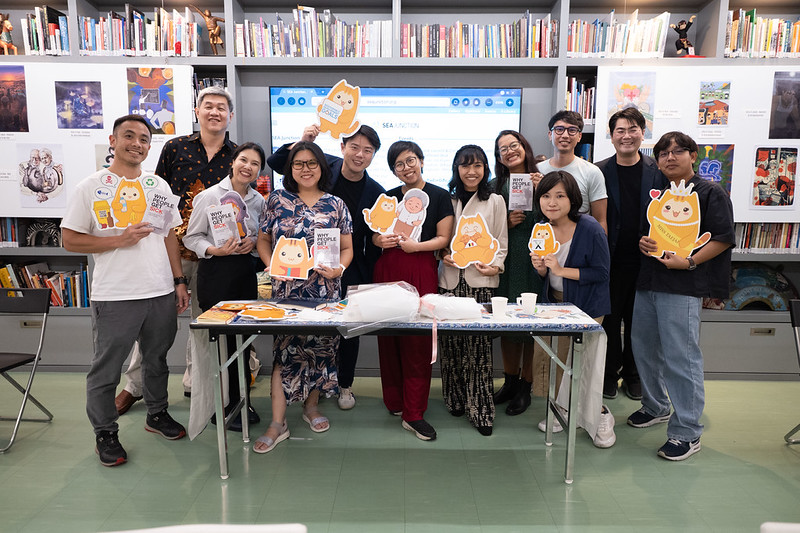
The book "Why People Get Sick" published by EI 2022 Cohort Fellows (below)
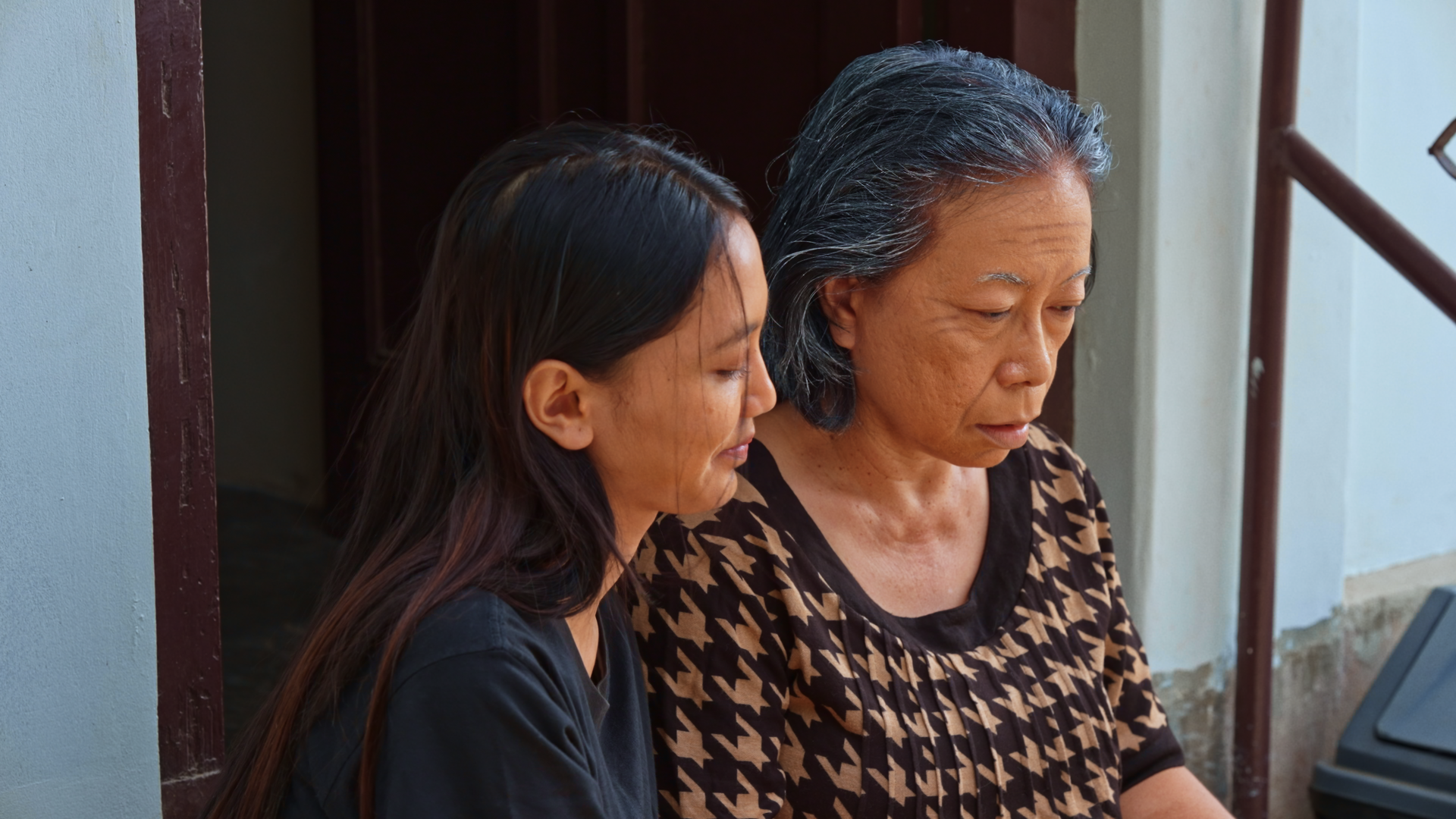
They worked closely with writers from marginalized communities and partnered with NGOs, to put together an anthology of narratives. Rather than speaking for others, they supported people to tell their own stories in the first person – with mindful editing that retain the “natural voice and language” of the storyteller and respecting the cultural framing so that communities retained ownership over how their experiences were represented
The team also designed for the readers to draw their own lessons and insights from these stories through a series of reflective questions. By humanizing structural barriers such as unsafe work, stigma and lack of social protection, the book has a strong call to action, to get readers to meaningfully dialogue on what health equity really means in practice. The collected stories can serve NGOs, educators and advocates as a living resource to open workshops, train health workers and ground policy conversations in real lives.
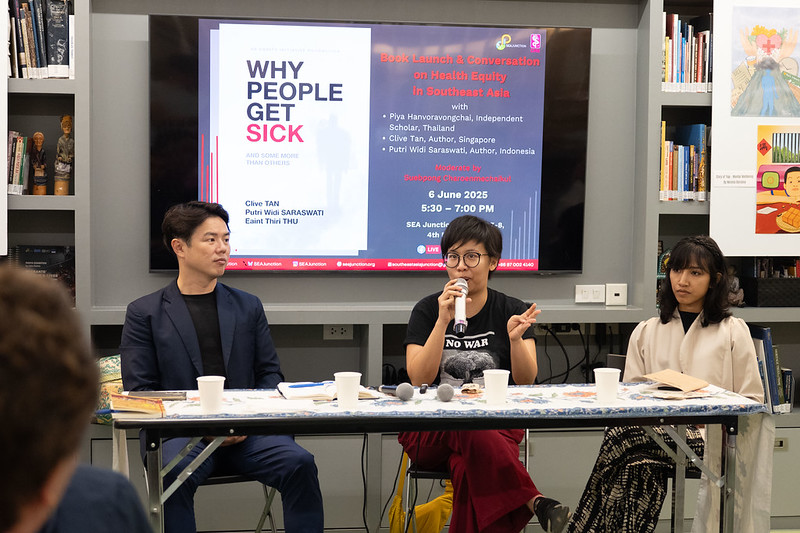
EI 2022 Fellows, left to right: Clive Tan (Singapore) Eaint Thiri Thu (Myanmar) Putri Widi Saraswati (Indonesia)
As Clive reflected, storytelling became a way to “bring forward voices rarely heard in health equity discussions,” reminding the team that creative advocacy is most powerful when communities shape the narrative themselves.
This story is part of the Equity Initiative’s 10-year anniversary, celebrating a decade of leadership, collaboration, and impact across Southeast Asia and China.
Applications for the 2027-2028 Equity Initiative Fellowship program will open on June 15, don't miss your chance and apply here.