Listening Across Borders
Advancing Ethnic Health Equity Along the Thai-Myanmar Border
Along Thailand’s borders, ethnic minority communities live with overlapping layers of disadvantage: statelessness, language barriers, exclusion from national health systems and environmental harms from large development projects. When Myanmar’s political crisis escalated, cross border migration and insecurity added new risks. In this volatile setting, EI Fellows Somporn Pengkam, Pianporn Deetes, and Ratawit Ouaprachanon, asked a core question: how can communities generate their own evidence and make their voices heard in national conversations on health and rights?
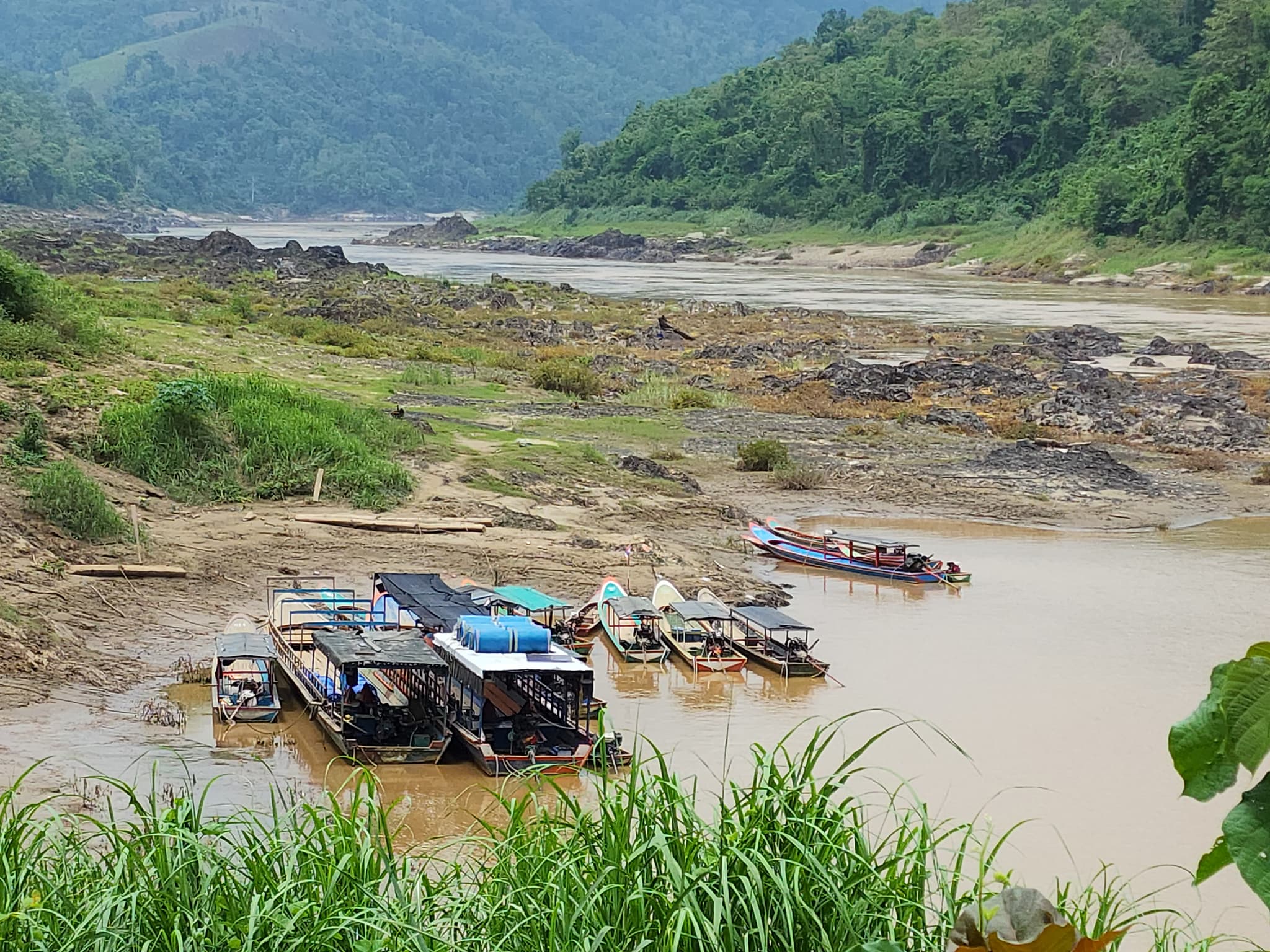
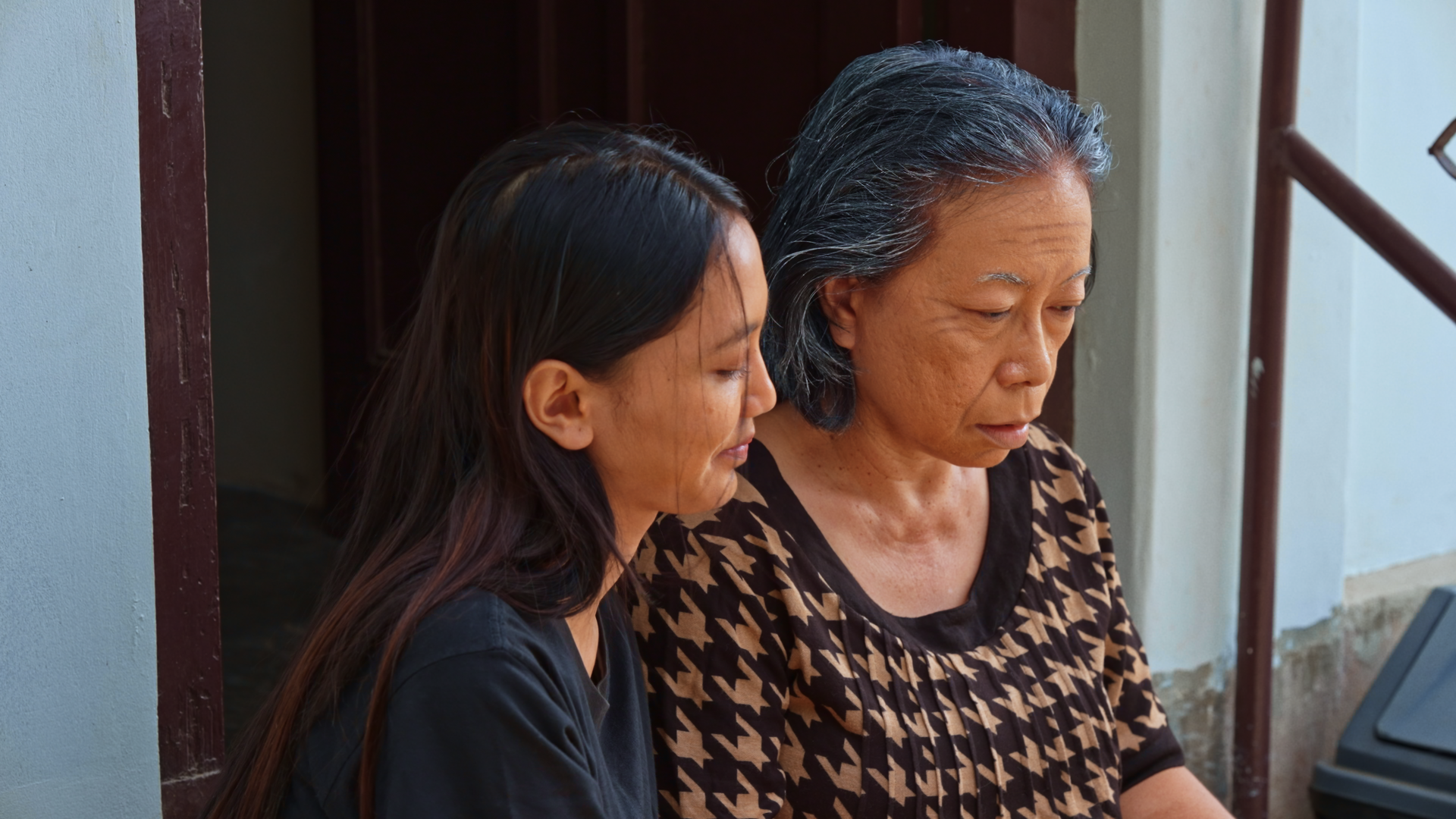
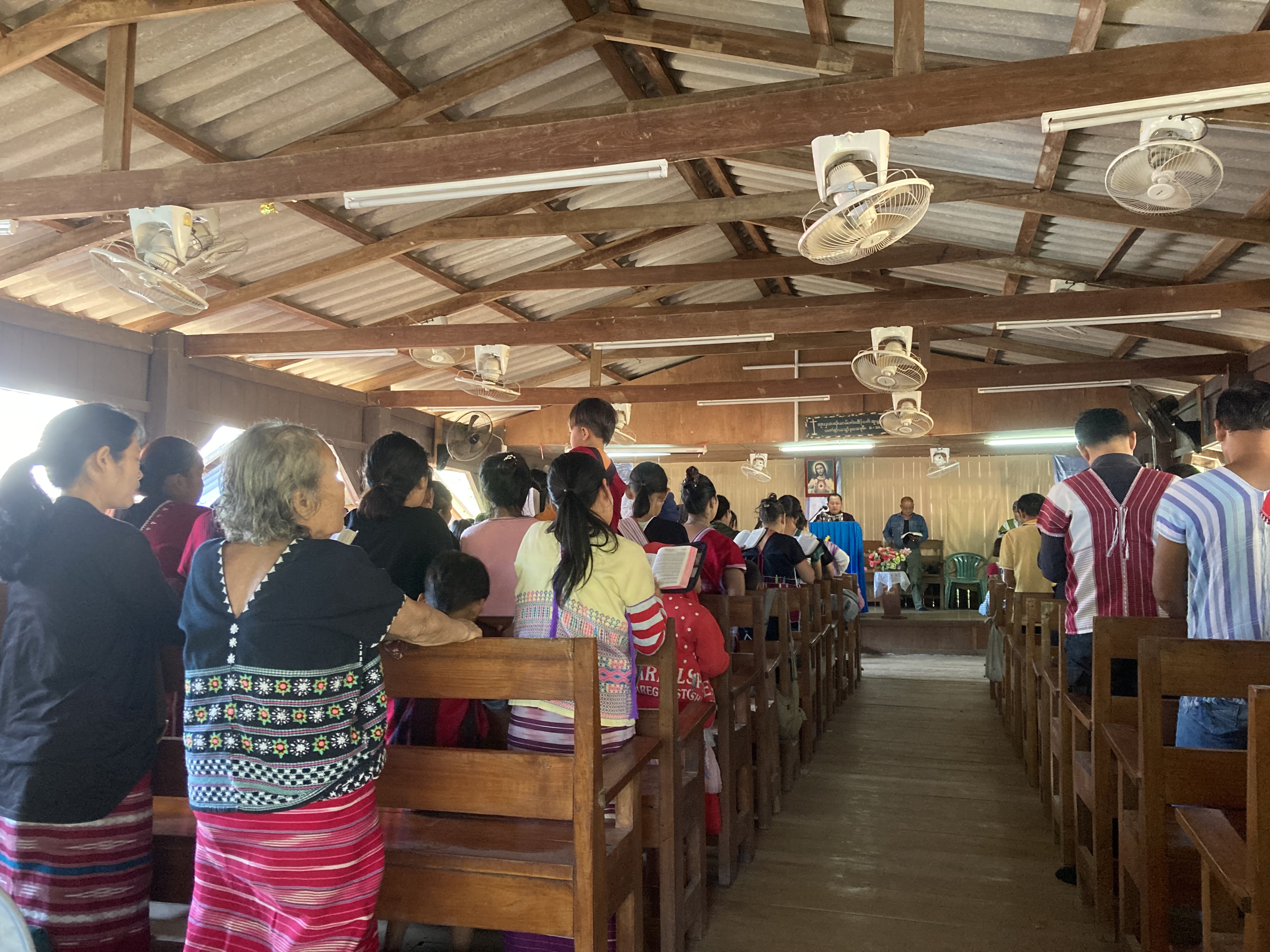
State of certain areas at the border
Somporn, a Community-led Health Impact Assessment (CHIA) practitioner, led the team to combine CHIA with public narrative and citizen journalism, shifting evidence gathering directly in community hands. They trained local leaders and youths to collect data, document lived experiences and tell stories in their own words. Working with universities, independent media such as Transborder News and Thai PBS, and community organizations, they co-produced stories and analysis for both local organizing and national media. When Myanmar’s military coup changed conditions on the ground, they adapted the model to work with refugee communities while keeping the same goal: community driven evidence and voice.
The project strengthened community leaders’ skills in research and communication and developed a cadre of young people skilled in strategic storytelling. Their work generated news pieces in Thai media, bringing the realities of borderland communities into national view. Communities used CHIA tools to question and verify what was really happening in their villages and to link environmental, social and health impacts. Partnerships between academic institutions, media and community groups laid a foundation for long term advocacy, with stronger local capacity and clearer pathways to influence policy.
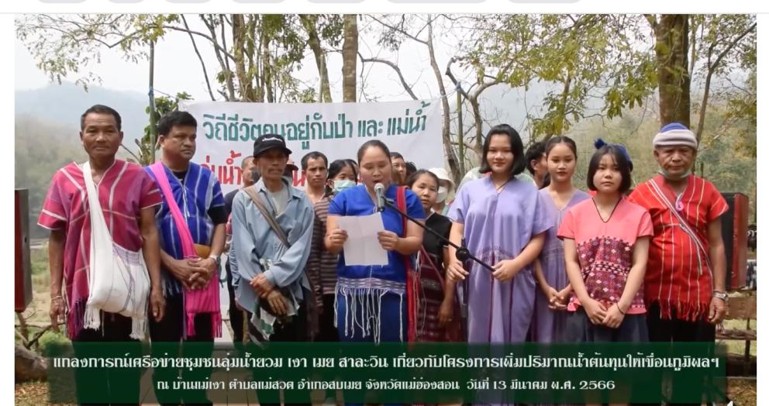
Youth Leaders utilizing their newly gained skills on CHIA, public narrative, and citizen journalism
The Fellows learned that genuine empowerment begins when communities decide what questions matter and how their stories are told. As one team member reflected, providing tools and space for villagers to collect data and hold their own discussion circles helped them “continue questioning: ‘Hey, is this really what the village is experiencing?’” and verify truth from the ground up.
This story is part of the Equity Initiative’s 10-year anniversary, celebrating a decade of leadership, collaboration, and impact across Southeast Asia and China.