Asia Immersion: The Architecture of Equity in Hong Kong
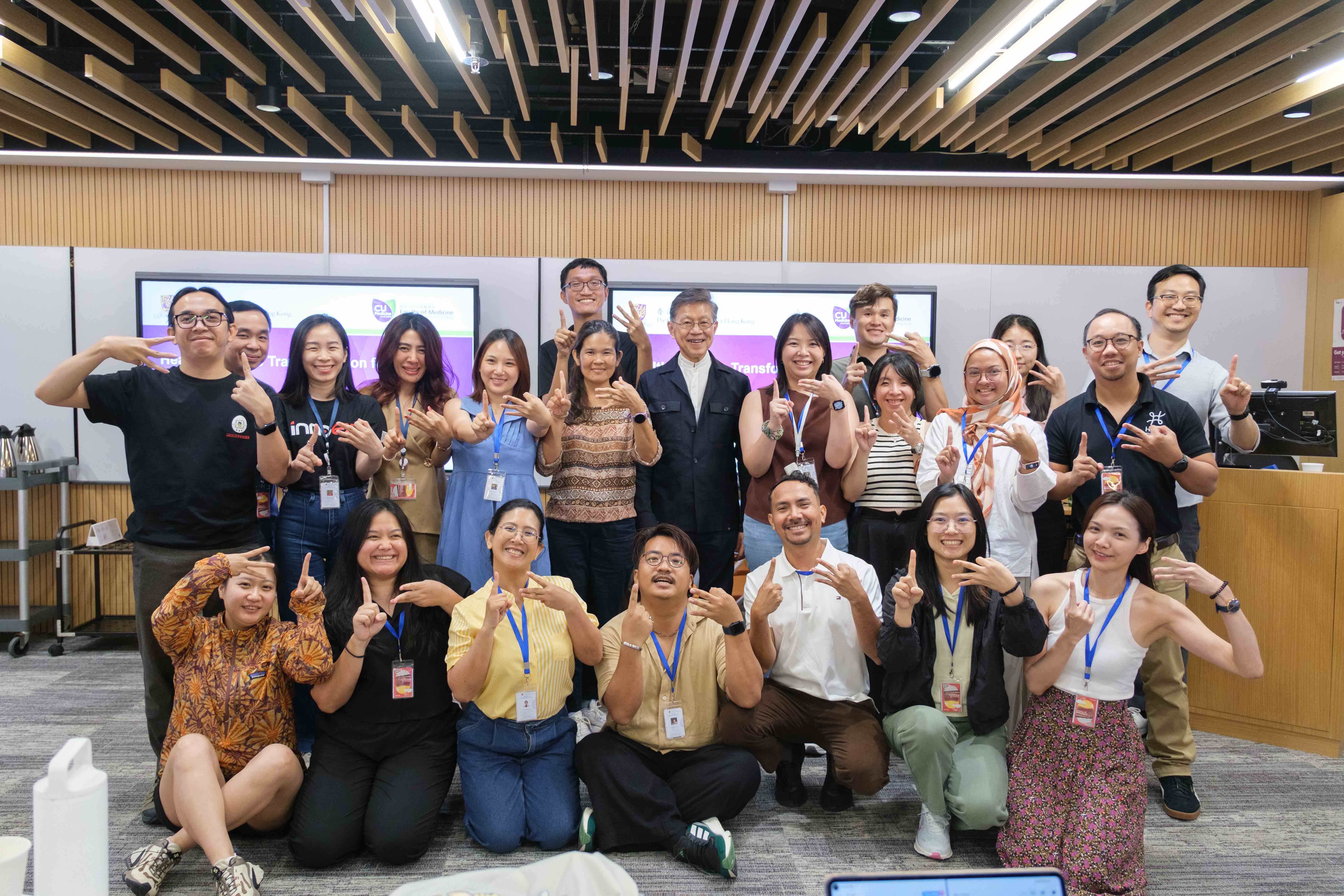
The 2026 CMB/EI Fellows gathered in Hong Kong from July 1–9, 2026 for the Asia Immersion learning event of the fellowship year. Set in one of the world’s densest urban environments, it explored equity, health systems, and social change through local experts and community organizations, all circling one question: What makes a society healthy?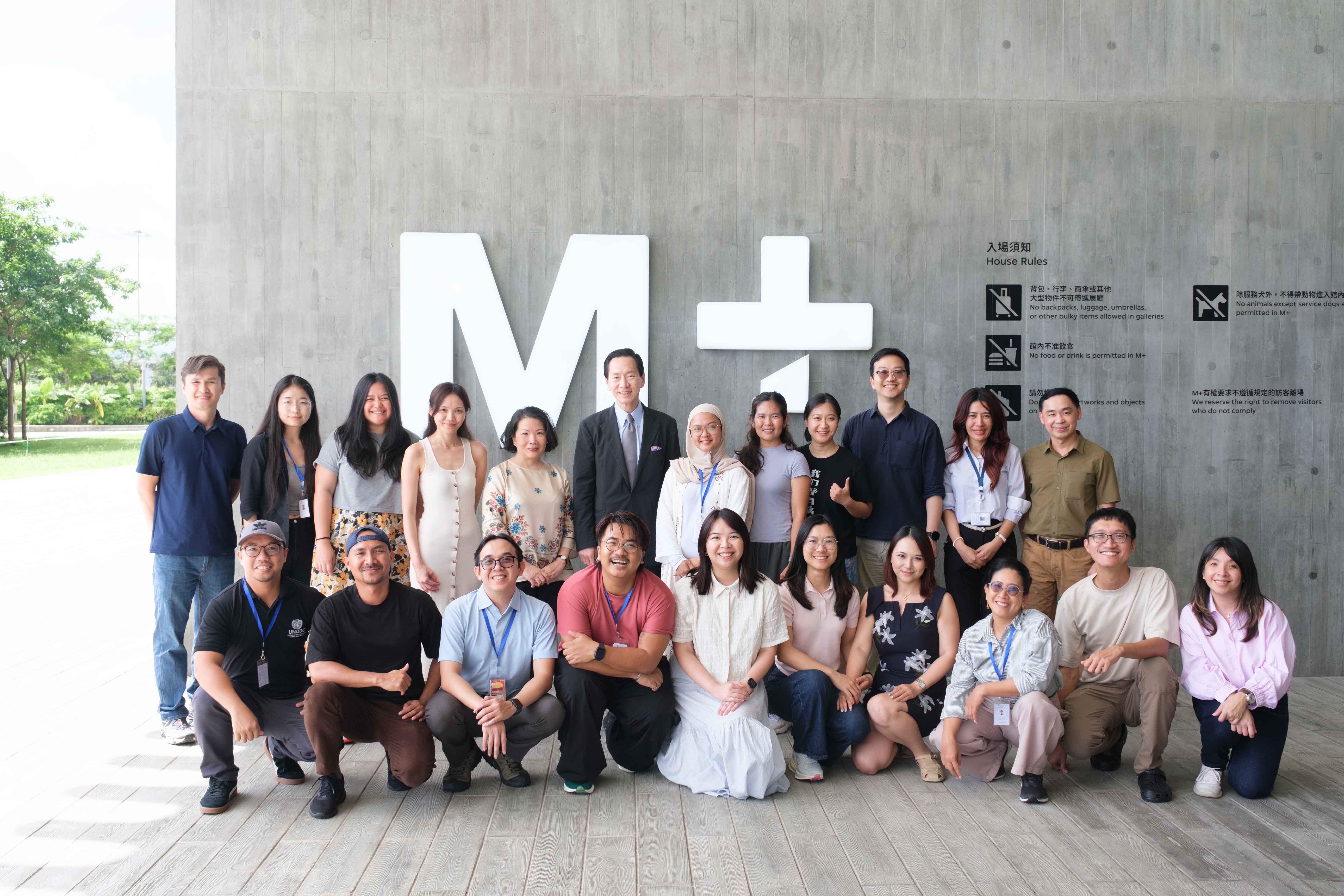
The 2026 EI Fellows at M+ with the Honorable Bernard Charnwut Chan
Culture as Social Infrastructure
The week opened at M+, Hong Kong’s landmark museum of visual culture, with The Honorable Bernard Charnwut Chan sharing his leadership journey across government, social welfare, civil society, and business. He reflected on how positions of authority can be used to bring sectors together, mobilize resources, and shape decisions that create lasting public value.
The West Kowloon Cultural District offered a powerful example. Built on some of the world’s most valuable land, it reflects a deliberate choice to invest in culture, the arts, and accessible public space rather than prioritize immediate commercial returns. Bernard’s commitment to the district, including its free waterfront park, underscored his belief that leadership is about protecting what society values and investing in people, social connection, and future generations.
Health Beyond the Clinic
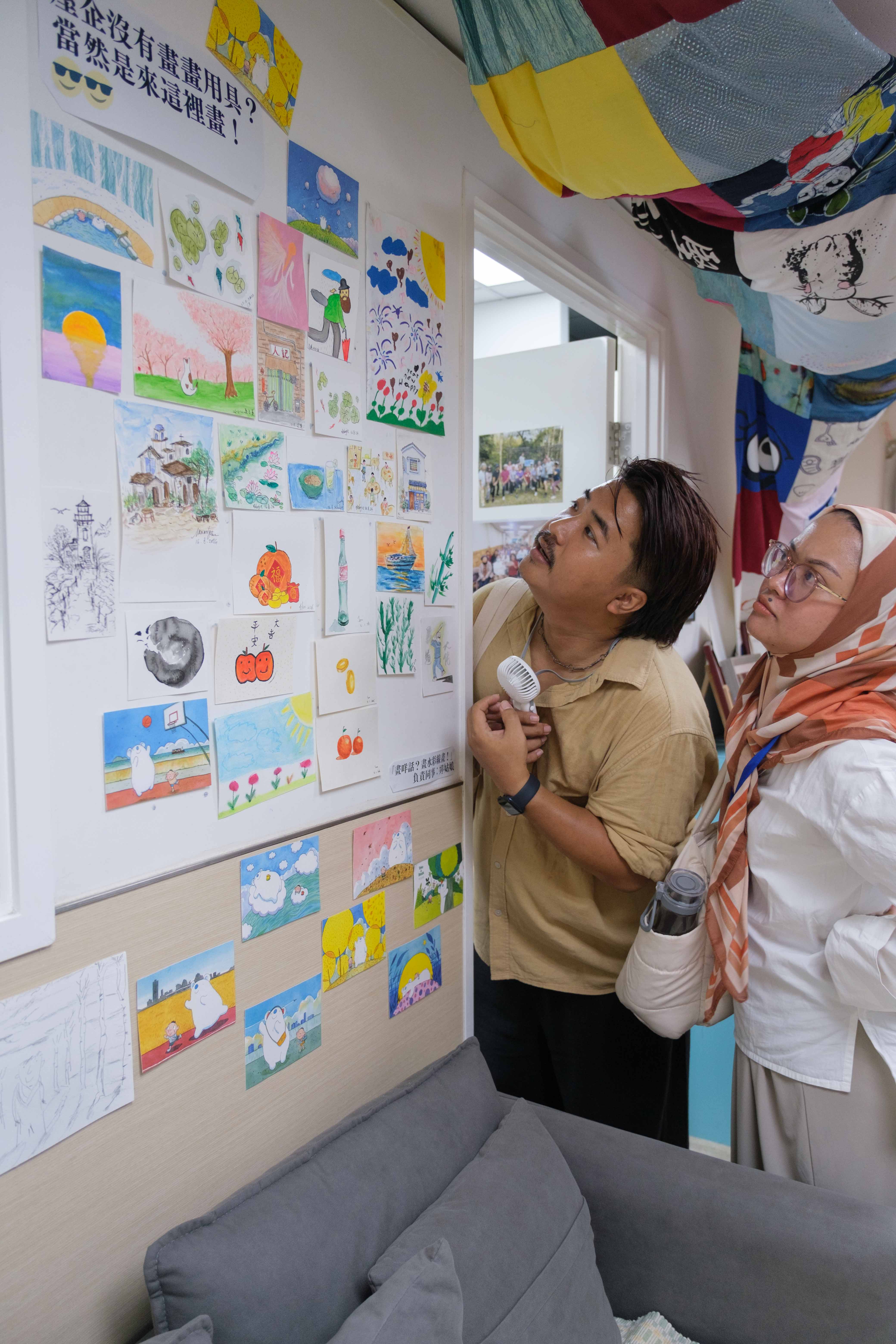
A walk through the surrounding neighborhood was one of the most memorable parts of the Hong Kong learning event. It enabled Fellows to see how health outcomes are shaped by housing, social conditions, access to resources, and community connections, making equity tangible in the realities of everyday life. Fellows were particularly inspired by HIA’s commitment to meeting people where they are. Its “Tree of Equity” reflects a model in which residents are not passive recipients of care, but active contributors to community health. A neighbor, volunteer, or local organization can be as important a health actor as a doctor.
Fellows viewing the HIA boards
"A highly developed society does not prevent people from being left behind; it often just makes them harder to see. What inspired me most was seeing neighborhoods stay connected through intergenerational relationships, knowledge exchange, and a culture of care despite rapid development. It reshaped how I approach community work: rather than starting with problems, I now begin with the strengths that already exist, recognizing that health is built through everyday relationships where trust and lasting change take root." — Nang Kham Naw (2026, Myanmar)
That afternoon, Professor Eng-kiong Yeoh of the JC School of Public Health and Primary Care, The Chinese University of Hong Kong, sharpened the focus. Health, he said, is shaped far more by social position, behavior, and access to care than by genetics, and poverty stacks the odds at every turn. The poor are exposed to more obstacles, protected less, reach care later, and pay more dearly when illness strikes. One line stayed with the room: "When your hands stop working, your mouth also stops." For the working poor, prevention is a luxury the conditions of labor rarely allow.
Into Chungking Mansions
Then the Fellows took to the streets. Guided by staff from Christian Action's Centre for Refugees, the only drop-in center of its kind in Hong Kong, serving over 750 refugees and asylum seekers a month, they saw the infamous building Chungking Mansions not as spectacle but as a living study in migration, survival, and belonging. The next day, a design thinking workshop with Gilbert Lee of Education for Good turned those observations into sharper questions for their own projects.
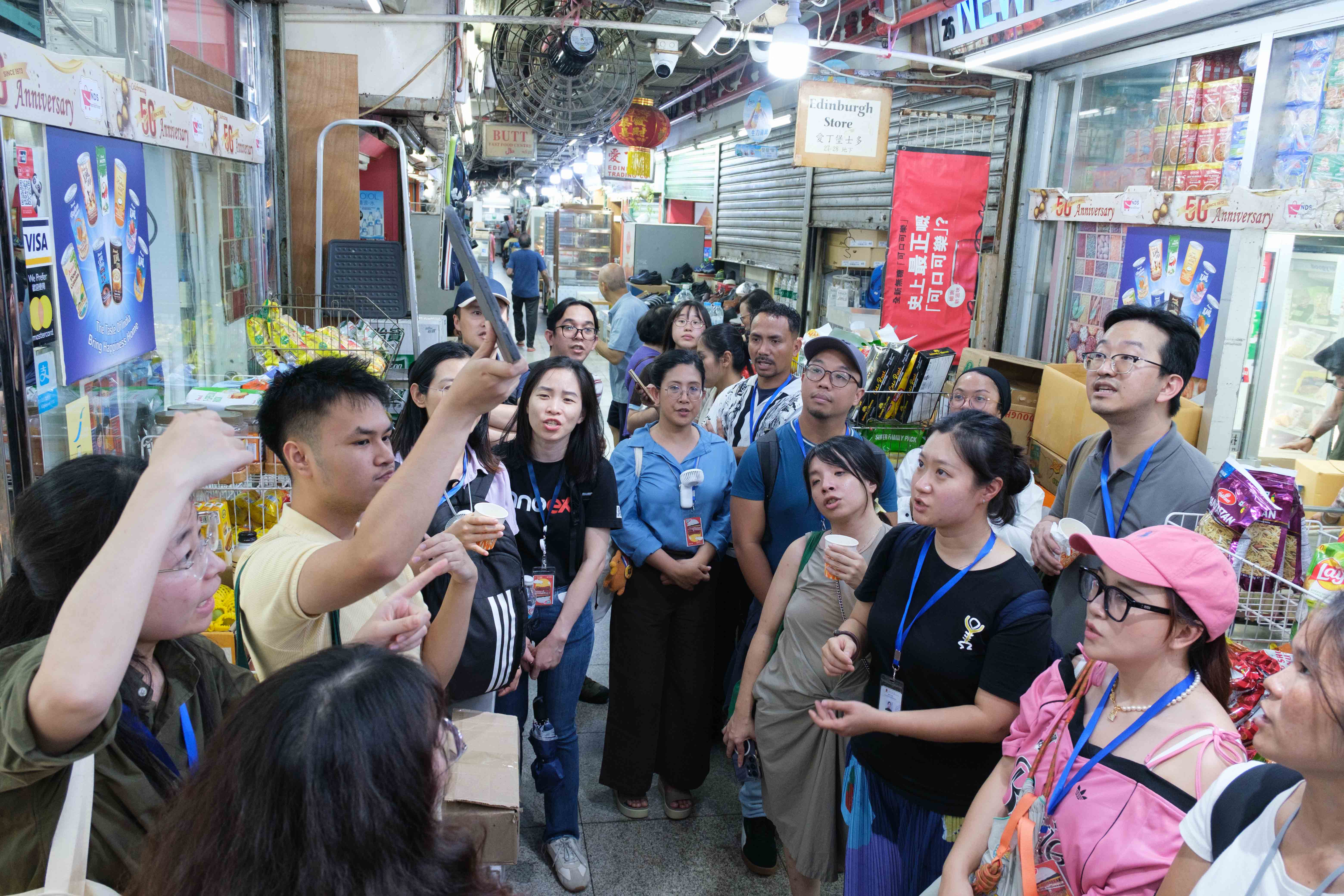
Fellows visiting the Chungking Mansions
"The design thinking session taught me to step into people's shoes and understand their perspectives before trying to solve a problem. Lasting solutions come from working with communities through empathy and collaboration, rather than simply for them." — Seksouk Senglinthong (2026, Laos)
Making the Invisible Seen
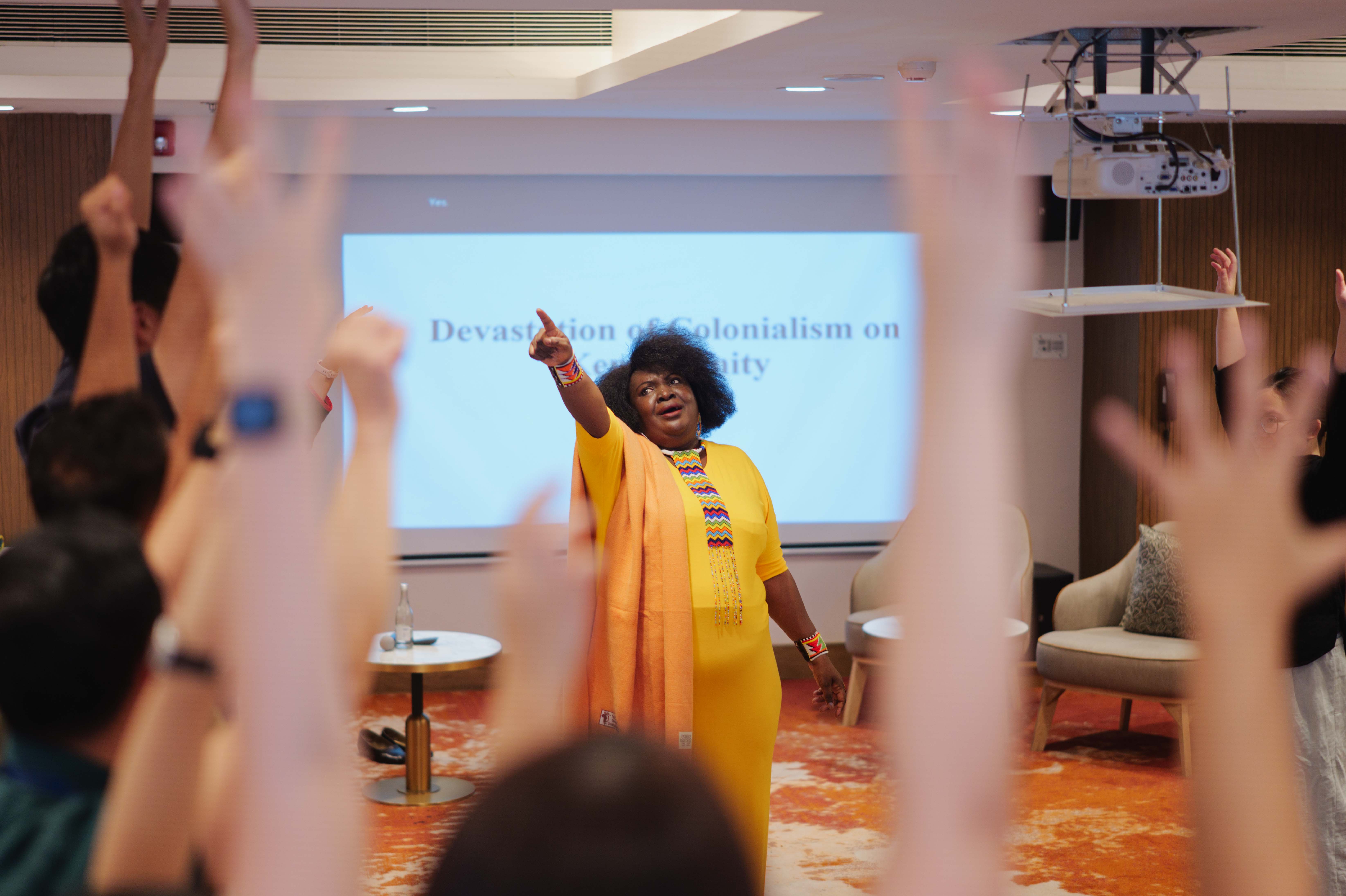
Midweek, Professor Francis Lee of the School of Journalism and Communication at The Chinese University of Hong Kong offered a nuanced perspective on media, civil society, and social change. He encouraged Fellows to move beyond simple narratives of success or failure, and to consider how organizations adapt and preserve agency even when their space for action is constrained. Civil society endures, he suggested, not only through visible victories but through its ability to keep important issues in public view. For Fellows working in similarly challenging contexts, it was a grounded reflection on resilience — not passive survival, but the ongoing work of sustaining relevance, voice, and impact.
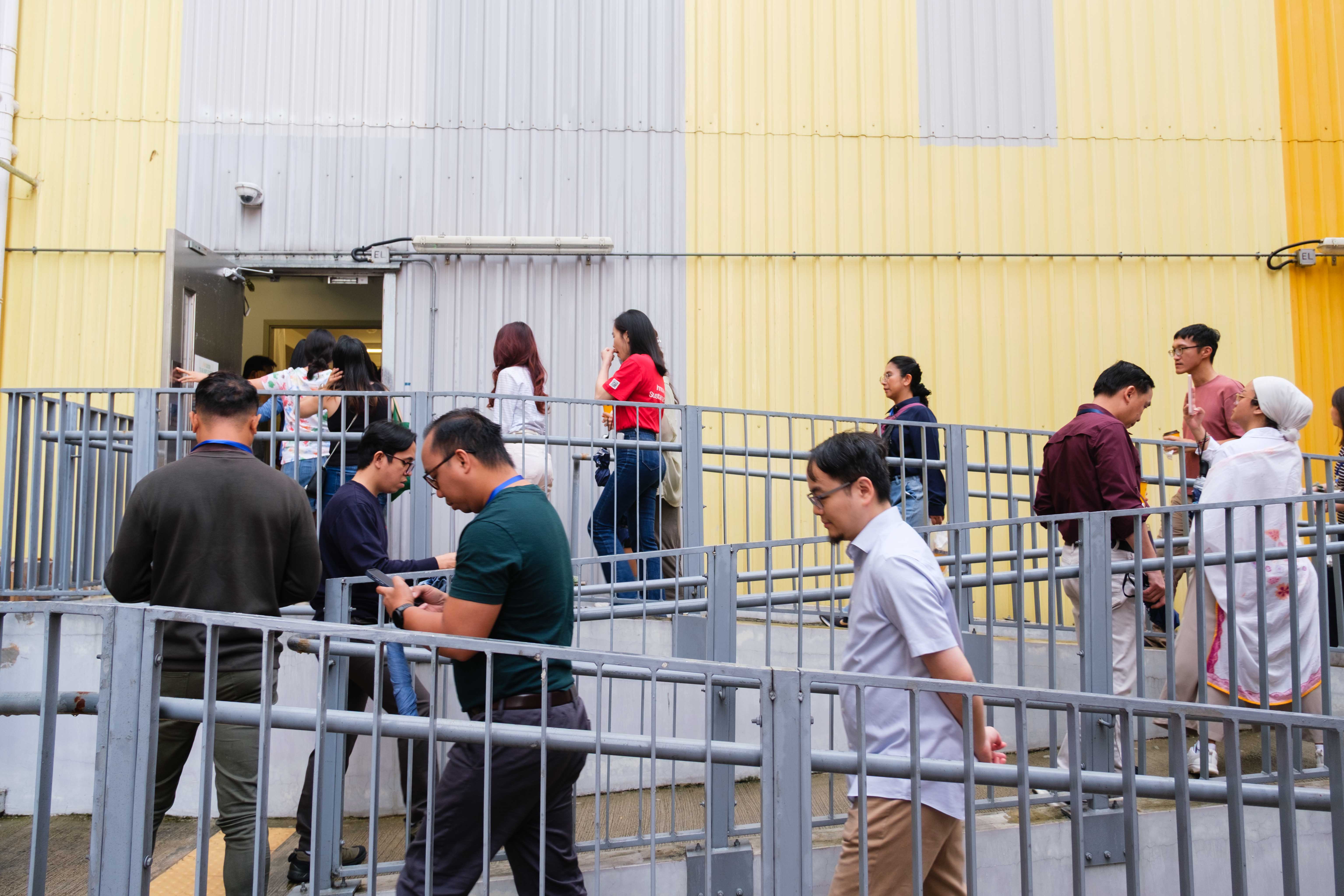
Fellows entering their session at The Chinese University of Hong Kong
"I see myself in Bernard Chan's idea of mediation — building trust between sectors instead of choosing sides. At Noora Health, my work as a program designer isn't just about the program; it's about bringing government, health workers, and family caregivers to the same table, and making sure caregivers, usually the least heard, get an equal voice. Professor Francis Lee's session didn't change my view of my work; it confirmed it: civil society makes invisible issues seen and heard by decision-makers." — Yenuarizki Soedjoko (2026, Indonesia)
The Power of Community
That same afternoon, Fellows visited Caritas, one of Hong Kong’s largest social service organizations, to learn how community-based support can respond to people’s complex and changing needs. Grounded in compassion, dignity, and respect, Caritas offered a powerful example of how social services can make a meaningful difference in everyday lives, pushing Fellows to consider how similar needs and constraints appear in their own countries.
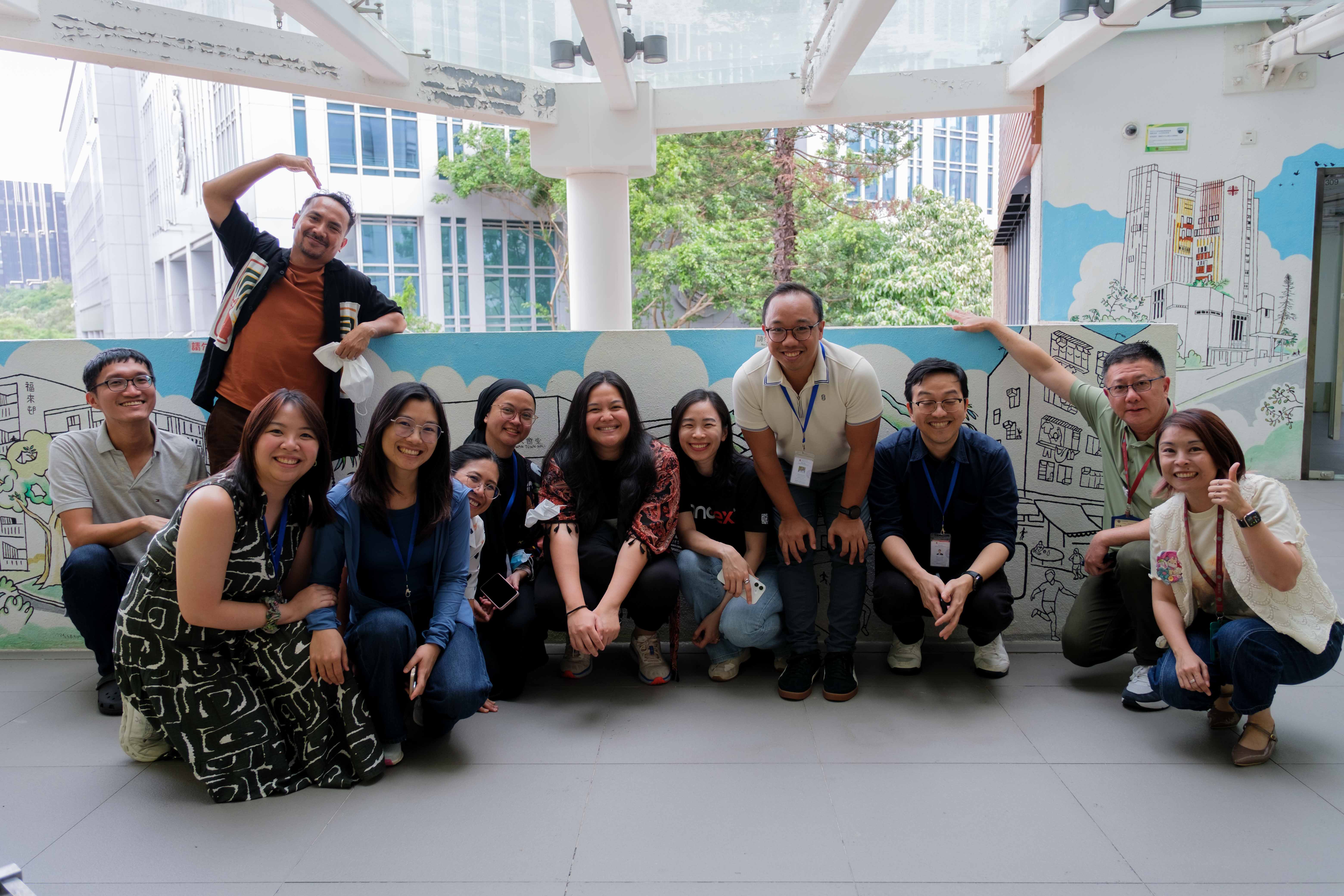
Fellows at Caritas
One group visited LevelMind, its youth mental health service:
"My visit to LevelMind was the most inspiring experience of the immersion. Seeing how they adapted Australia’s Headspace model and integrated Professor Patrick McGorry’s clinical staging approach into youth mental health services showed the value of early intervention, holistic care, and community partnerships. It reinforced my belief that mental health care extends beyond clinical treatment — empowering people to recover, build resilience, and take part in their families and communities." — Sovandara Heng (2026, Cambodia)
For Tao Ma, the visits to Health In Action and Caritas crystallized a conviction about community itself:
"My site visits to Health In Action and Caritas strengthened my belief in the power of community. Seeing them mobilize community as part of the solution was a turning point — it’s exactly what we strive for with rare disease patients: to amplify patient power and co-create solutions with the community. It deepened my conviction that the community is not just a beneficiary, but a vital force driving systemic change." — Tao Ma (2026, China)
Housing as Health
In the final days of the learning event, Fellows visited St. James’ Settlement’s Transitional Housing – James’ Concourse project, where they gained a closer understanding of Hong Kong’s housing crisis and its consequences for health and well-being. Through the tour and discussions, Fellows learned about the realities faced by people living in subdivided units and other vulnerable housing situations, including families navigating low incomes, employment barriers, and long waits for public housing. What resonated most was the philosophy underpinning St. James’ Settlement’s work. Its social workers see themselves not simply as service providers, but as social innovators who build relationships, understand residents’ lived realities, and recognize their strengths and aspirations.
The Wider Frame
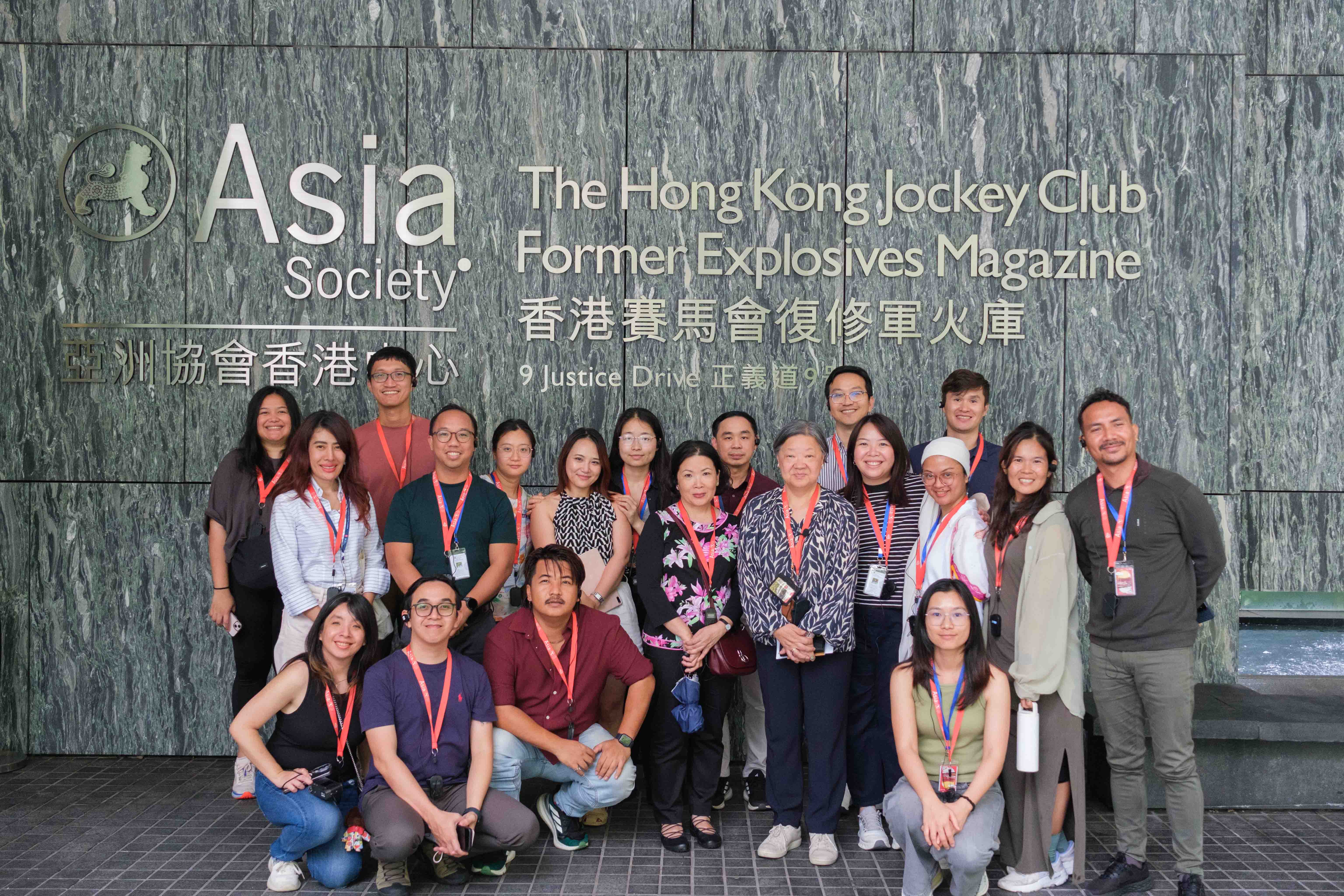
Fellows at the Asia Society
Then at Asia Society’s Hong Kong Center, S. Alice Mong described a cultural institution where corporations pay full price to use its spaces while artists, schools, and community groups pay only costs, so access to culture never depends on wealth. She also touched on the slow return of Asian art taken under colonial rule.
Dr. Gabriel Leung brought the learning event to a fitting close, situating Fellows’ experiences within Asia’s broader geopolitical, demographic, and development landscape. Through a focus on philanthropy, he invited Fellows to see themselves not only as recipients of support, but as participants in a wider ecosystem of people, institutions, and ideas shaping social change. Reflecting on the histories of China Medical Board and Atlantic Philanthropies, he emphasized that meaningful transformation often depends on patient, long-term investment in leadership, knowledge, and institutions — returns that emerge not within a single grant cycle, but across generations.
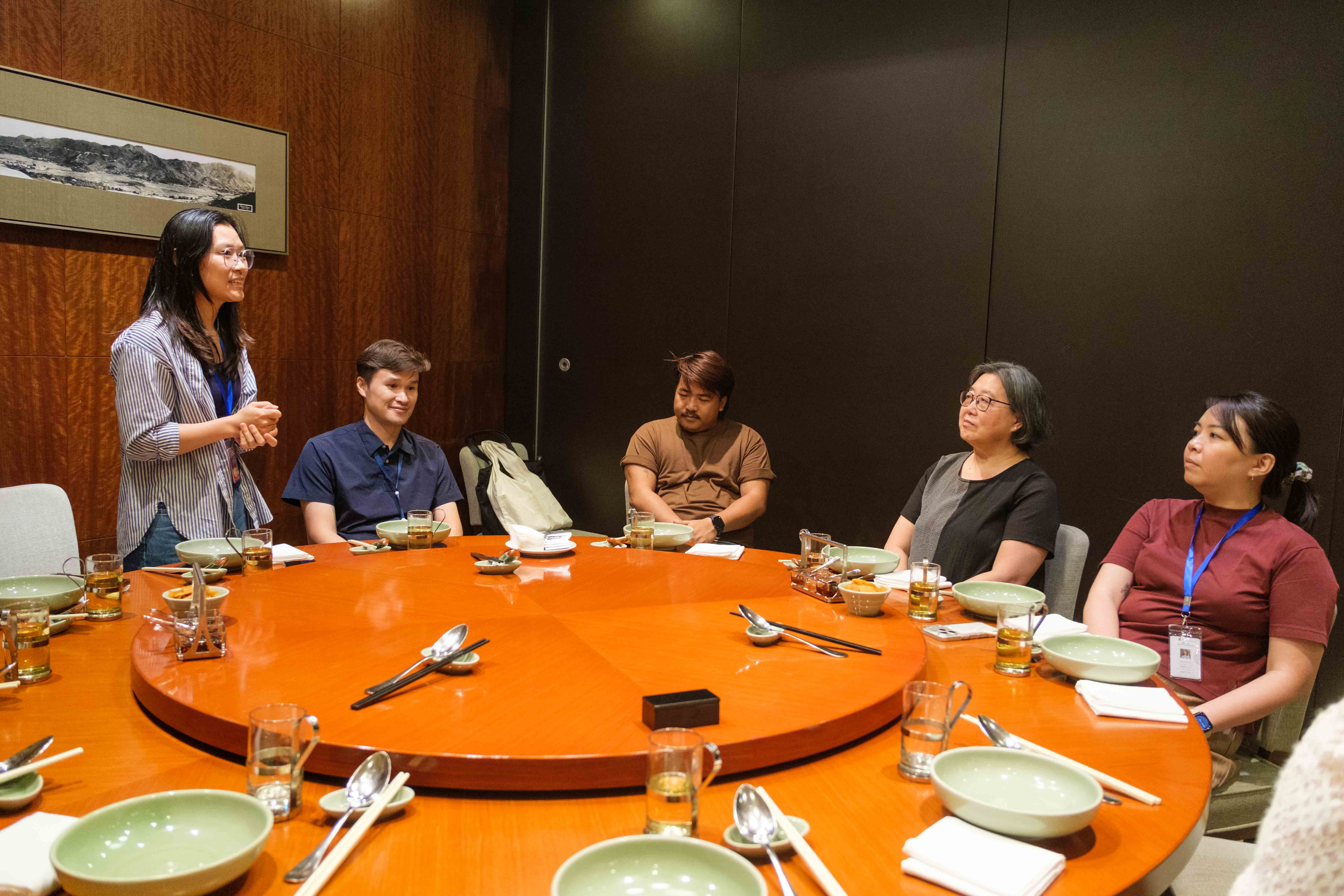
Farewell dinner with CMB Trustee, Professor Vivian Lin
At the farewell dinner, Fellows were joined by CMB Trustee Professor Vivian Lin — a chance to reflect on the week and reaffirm the importance of investing in leaders advancing equity across the region.
"The immersive visits to Hong Kong's urban communities changed how I see philanthropy in health equity. Housing is a critical social determinant, yet the public system hasn't fully secured dignified living for all. Different sectors — religious, business — can meaningfully fill that gap; Hong Kong showed me what a whole-of-society approach really means." — Lee Yarcia (2026, Philippines)
What Makes a Society Healthy?
By the end of the learning event, the Fellows had learned to read the city as a set of interconnected structures that make people well or unwell, and to ask the same of the systems they work to change. It all points back to the question the week began with: What makes a society healthy? Using Hong Kong as a case study, Fellows learned that a society grows healthy when a decent home, secure work, and shared public space are within everyone’s reach, when its institutions earn trust, and when the people usually spoken about are the ones speaking.
This year's Fellows make up the Equity Initiative's tenth cohort, arriving in the program's tenth anniversary year. Launched in 2016, EI has spent a decade building a community of health equity leaders across Southeast Asia and China.