Clicking Toward Equity
Digital Care That Follows the Patient
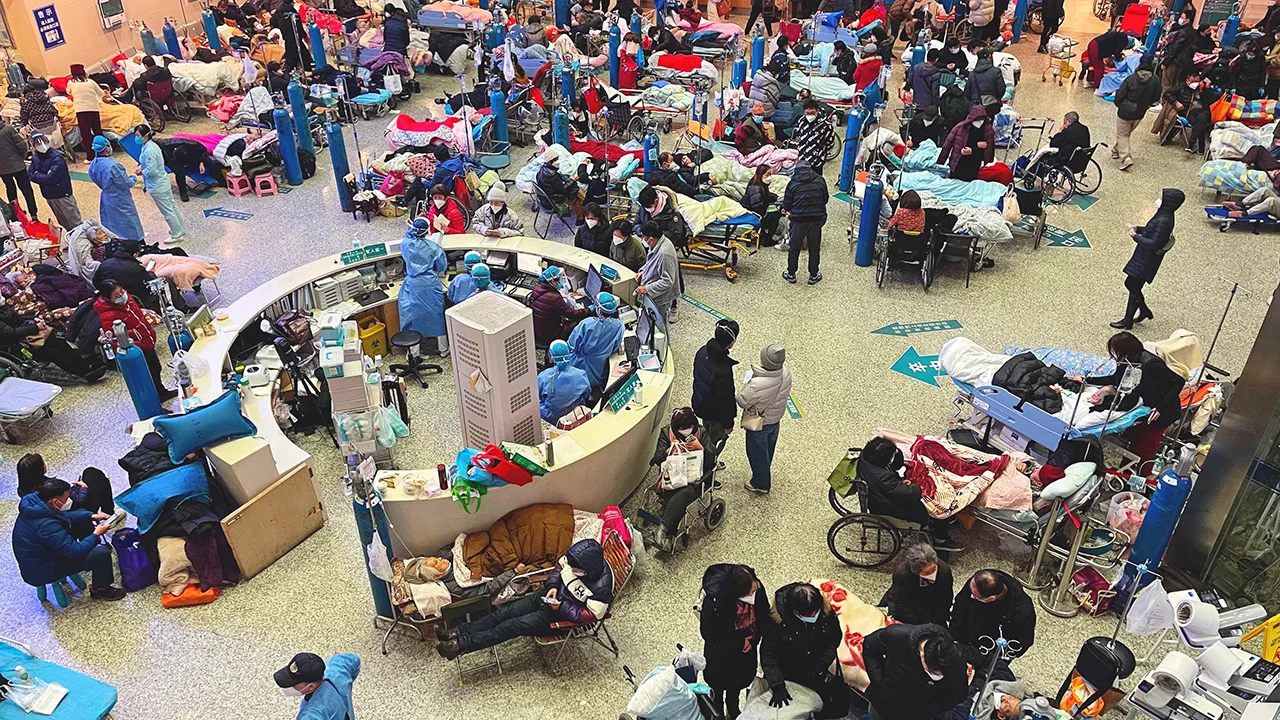
In China, people living with chronic conditions and families with young children have long faced crowded hospitals, long waits and rushed consultations. The COVID pandemic intensified these pressures, and many missed crucial windows of care. 2019 EI Fellows Xiao Long (China) and Kun Zhang (China) challenged this status quo by asking how digital tools could shi the paradigm from hospital centric to patient centric care while ensuring equity for under-resourced communities.
Working with a specialised children’s hospital and a general public hospital in Beijing, they designed two linked digital service models.
The first focused on pediatric care. The team created an app that gave each child a digital health record and standardised care pathways. They introduced a team-based model bringing medical assistants and doctors together to replace bureaucratic friction with secure, proactive communication. Parents described the pediatric service as a worry-free experience, highlighting clear guidance and streamlined visits that led to near perfect satisfaction scores.
The second ecosystem served adults with chronic conditions. Fellows integrated tools for questionnaires, diet plans and teleconsultations directly into the general public hospitals’ infrastructure, ensuring continuous care beyond hospital walls. The chronic disease platform engaged over 8,000 active users and drove an increase in online consultations. The models were showcased nationally as examples of digital resilience and health equity.
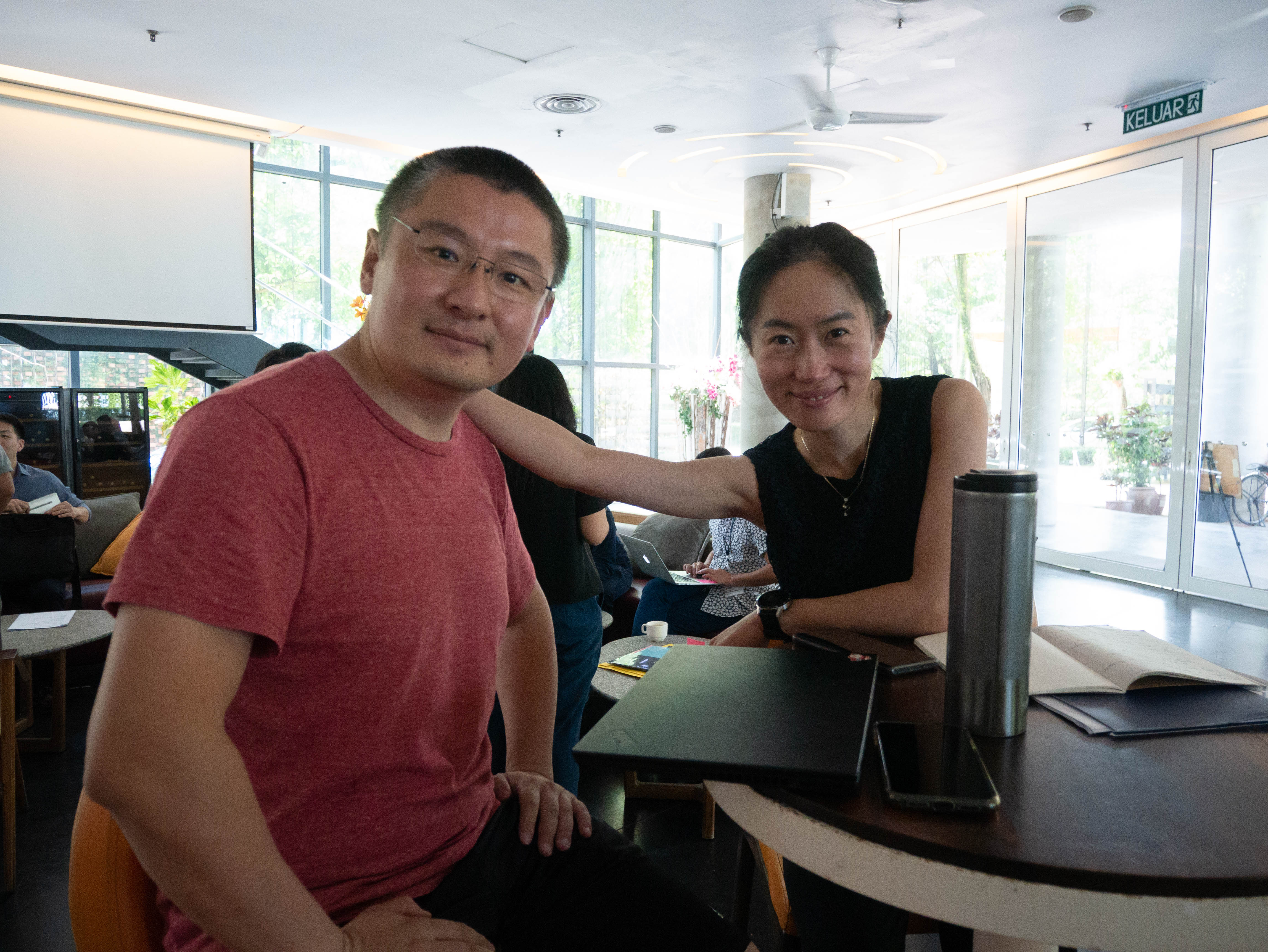
Through this process, Xiao Long and Kun Zhang drew key lessons. They came to believe that digital health can be a powerful instrument for equity, particularly for people in remote areas or with low income, but only when access is actively protected and designed for real-life constraints. They also confirmed that human relationships remain central. What parents and patients valued most was not the app itself, but the feeling that a real person responded, guided and cared.
Another lesson was about time. Transforming care delivery cannot be treated as a short-term project. It requires redesigning workflows, redefining roles, investing in training and support, and iterating based on real feedback from families and patients. Culture change inside hospitals moves gradually, and trust from communities builds slowly through consistent, reliable experiences
This story is part of the Equity Initiative’s 10-year anniversary, celebrating a decade of leadership, collaboration, and impact across Southeast Asia and China.