
Thailand
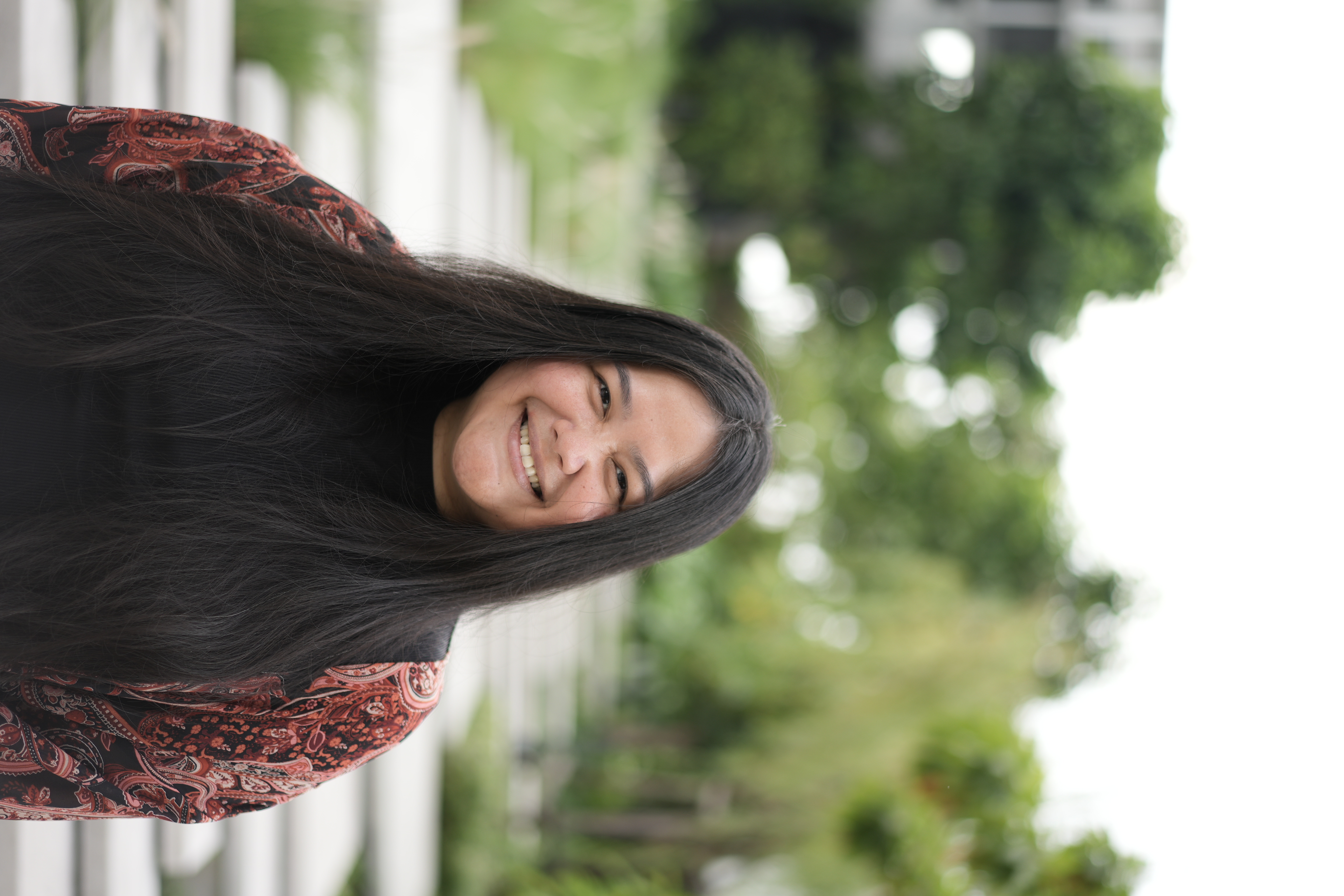
Wirada Saelim
Wirada Saelim (“World”) is a communications and storytelling consultant with ten years of experience in journalism, multimedia production, human rights communications, and participatory media in Thailand and Southeast Asia and beyond. She works to ensure marginalized communities can tell their own stories safely and with agency, especially where narrative power shapes access to rights, protection, and health. She consults with UN Women and SHero on survivor-centric narrative initiatives and writes for Decode Thai PBS.
World began her career as a one-person multimedia journalist with Thai PBS, Voice Online, and independent platforms, reporting on gender-based violence, migration, labor rights, inequality, environmental justice, and political participation. At the same time, she was also Thai PBS’s Citizen Reporter Program, training citizens from diverse communities, including women from conflict-affected areas and communities impacted by state and corporate projects, to research, film, and publish their own stories, while advocating for citizen-generated narratives to be recognized alongside mainstream reporting. She then moved into research-led, equity-focused communications with Fortify Rights and Amnesty International Thailand, producing multimedia content to amplify survivors, refugees, and human rights defenders across Southeast Asia. Working in politically sensitive environments strengthened her practice in ethical storytelling, power-sensitive framing, and cross-cultural collaboration.
A defining moment came while supporting community-led reporting in Loei Province on the health and environmental impacts of a gold mining project. She became the target of a Strategic Lawsuit Against Public Participation (SLAPP) seeking 50 million baht. The case lasted three years and revealed how storytelling can expose individuals and communities to legal, psychological, and social harm. Today, World designs trauma-aware, participatory processes that prioritize consent, dignity, wellbeing, and ownership, including with Cambodian migrant women in Thailand. Looking ahead, she aims to strengthen narrative sovereignty by building safer storytelling infrastructures, expanding protections for community storytellers, and using narrative strategy to advance health equity and social justice.
Related Fellows
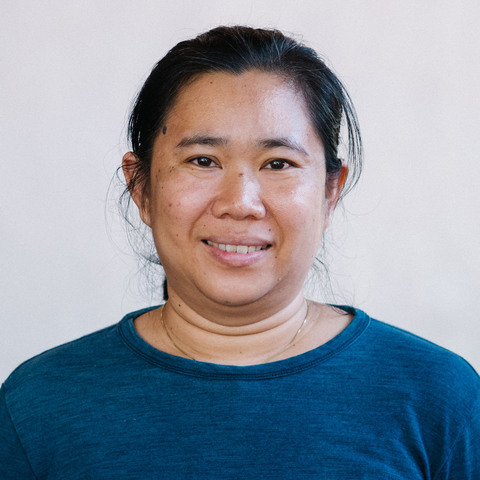
Phetdavanh Sipaseuth
Laos
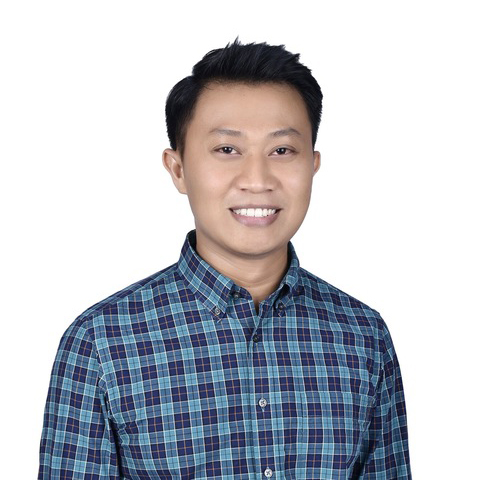
Alfrison Paloga
Indonesia

Phan Thi Ngoc Linh
Viet Nam
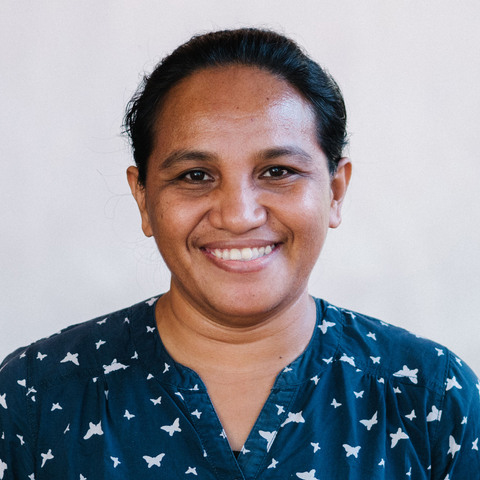
Fransiska Falentina Sugi
Indonesia