
China
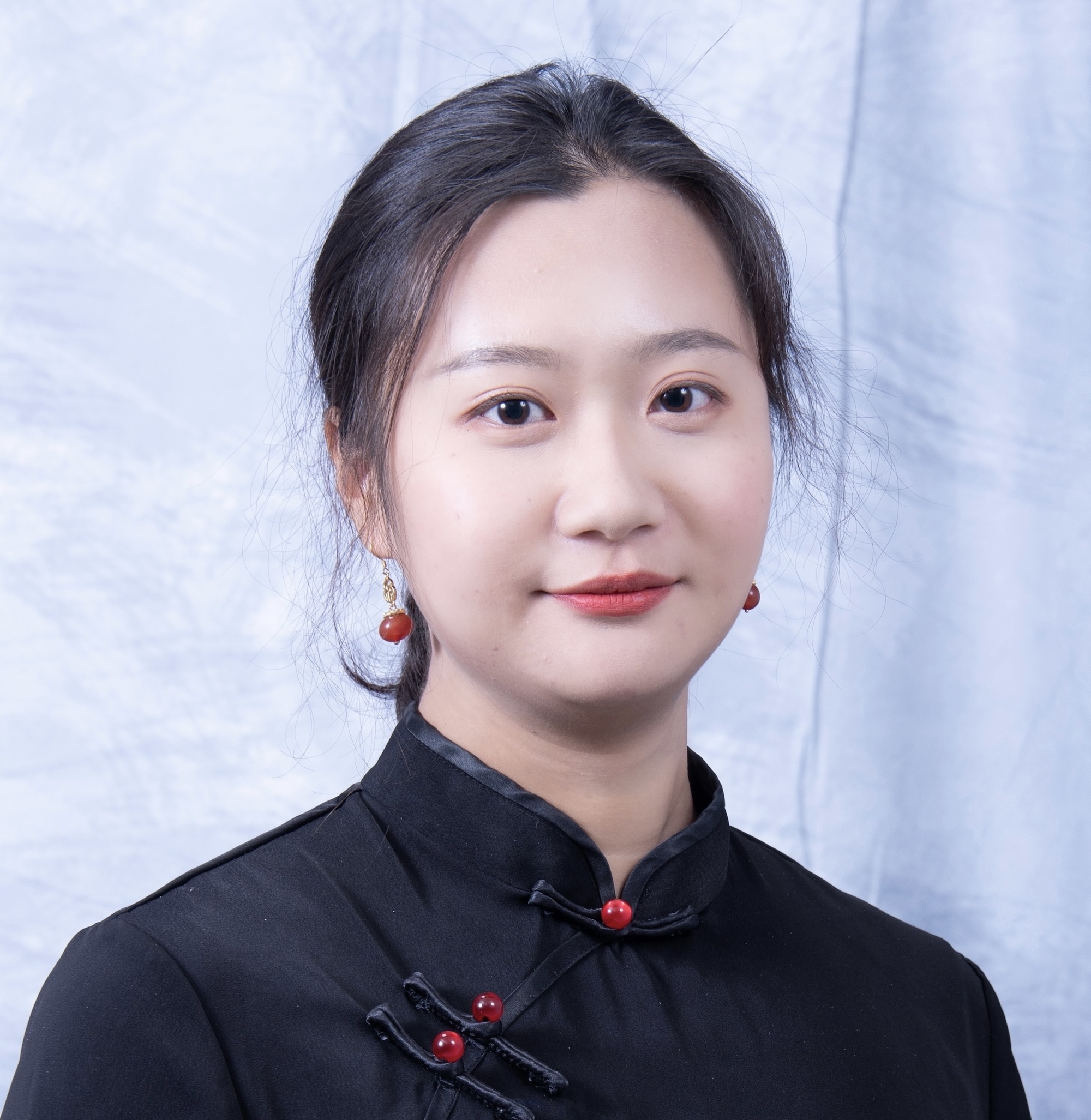
Ma Tao
Ma Tao is the Secretary-General of the Illness Challenge Foundation (ICF), China’s first foundation founded by rare disease patients and dedicated exclusively to rare diseases. She leads ICF’s strategic planning, organizational management, and policy advocacy, with a focus on building multi-stakeholder coalitions to address the medical and social challenges faced by the rare disease community. Under her leadership, ICF has grown from a nascent grassroots team into a nationally influential organization, expanding from 8 to 35 professionals and increasing annual fundraising from 6 million to 28 million RMB. To date, ICF has built comprehensive service systems benefiting more than 50,000 patients across 210 rare diseases.
Tao’s journey into equity work began 15 years ago, when she taught as a university student in a remote mountain village in Western China. Seeing how children’s opportunities were constrained by geography shaped her lifelong commitment to health equity rooted in the belief that health is a fundamental right, not a privilege determined by the rarity of one’s condition. She is driven by a mission to shift rare disease patients from “passive recipients of aid” to “active agents of change,” strengthening patient leadership and ensuring the community is recognized as a vital stakeholder in dialogue with government, industry, and the public.
Tao has spearheaded landmark initiatives that advanced rare disease policy in China, including establishing a multi-party co-payment model integrating government assistance, philanthropy, and pharmaceutical support. She also convened the “Rare Disease Symposium on Collaboration and Communication,” enabling direct policy consensus between grassroots advocates and government decision-makers.
Tao is committed to scaling community led models that improve diagnosis, treatment access, and social protection so rare disease patients are supported and empowered to shape the policies and systems that affect their lives. She aims to strengthen her systems leadership and policy influence while building regional rare disease networks across Asia.
Related Fellows
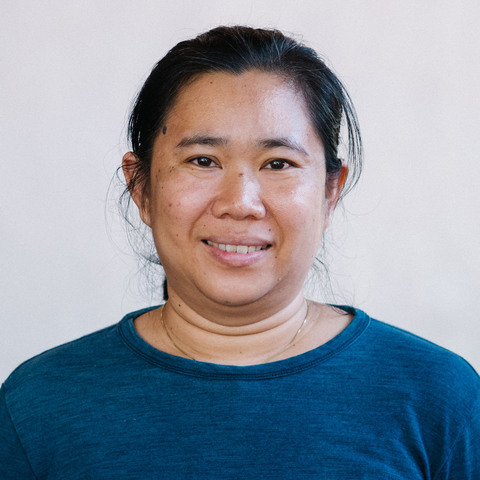
Phetdavanh Sipaseuth
Laos
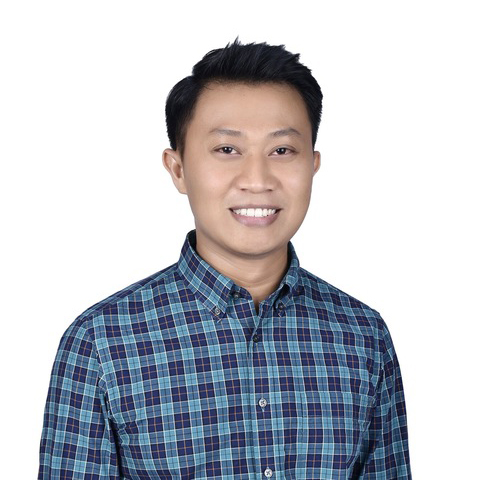
Alfrison Paloga
Indonesia

Phan Thi Ngoc Linh
Viet Nam
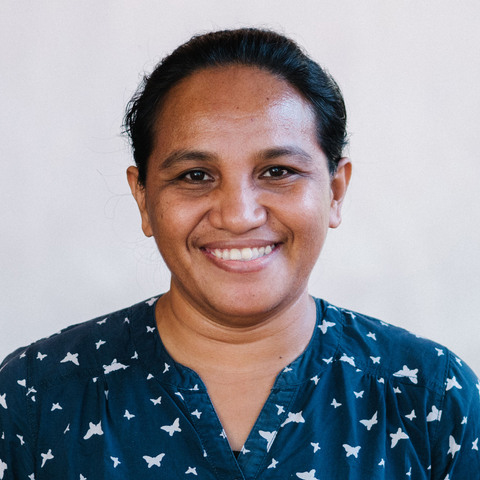
Fransiska Falentina Sugi
Indonesia