
Cambodia
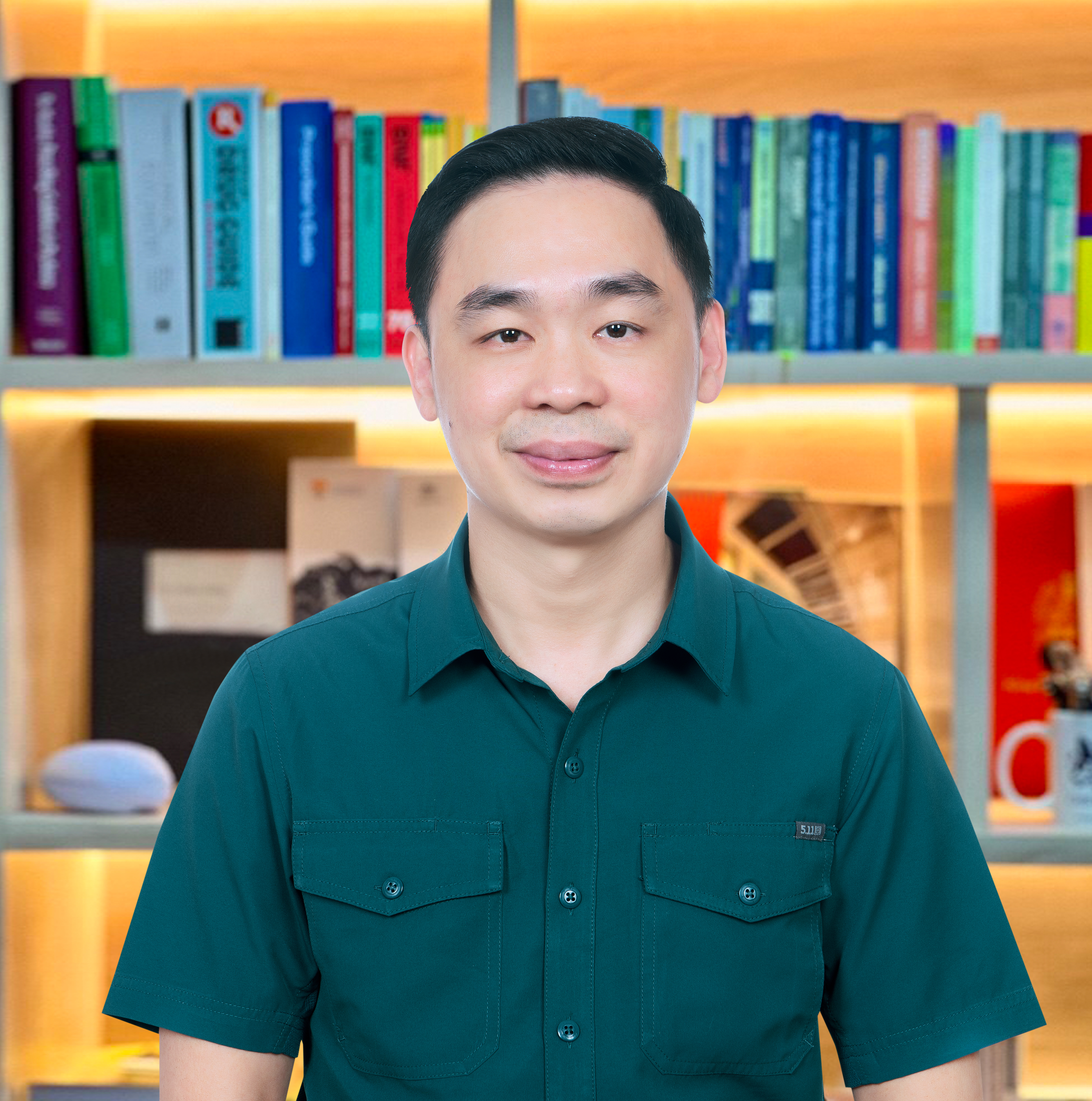
Sovandara Heng
Sovandara Heng is a psychiatrist committed to expanding equitable access to quality mental health care in Cambodia. Based in a public hospital in Phnom Penh, he provides outpatient and inpatient psychiatric care and supervises trainees serving patients from diverse socioeconomic backgrounds. He is also an Assistant Professor at the University of Health Sciences, where he lectures part time and supports the development of Cambodia’s mental health workforce.
Cambodia’s mental health services remain under-resourced and unevenly distributed between urban and rural areas. A turning point early in Sovandara’s training came when he treated patients who had traveled long distances and spent scarce savings just to reach basic psychiatric services. That experience clarified that mental illness is also a social justice issue shaped by poverty, stigma, and geography, and it strengthened his resolve to pair clinical practice with education, research, and system improvement. Sovandara is recognized for championing early intervention and recovery-oriented care adapted to low-resource settings, challenging the belief that mental health conditions always require lifelong treatment or that care should only be sought in crisis. He applies these principles through community initiatives including the Healthy Mind Project, the End of Mental Health Treatment Project, and Mind Talking – Mind Meeting – Mind Surgery. Together, these efforts promote awareness, early identification, stigma reduction, and better continuity of care for vulnerable and rural communities.
Alongside practice and teaching, Sovandara contributes to health equity research. His recent study on perceived barriers to healthcare among Cambodian women of reproductive age highlights how income, gender, and location influence access. Over the next phase of his work, Sovandara aims to scale community-based care pathways, integrate mental health into primary care, strengthen supervision and workforce development, and use evidence to advocate for affordable medication and dignified treatment for all, regardless of income or social status, through partnerships with government and community organizations.
Related Fellows
Phetdavanh Sipaseuth
Laos

Alfrison Paloga
Indonesia
Fransiska Falentina Sugi
Indonesia

Phan Thi Ngoc Linh
Viet Nam