

Cambodia
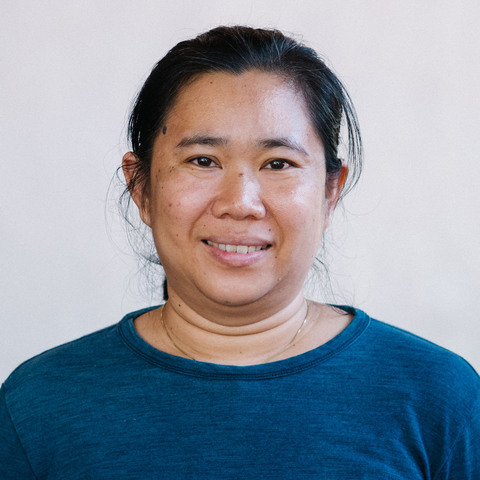
Socheat Nhip
Socheat Nhip is a Cambodian youth development practitioner, coach, and learning facilitator focused on well-being and community connection. She is an organizational lead at Alumni for Soft-skills Development (ASD), a locally led collective that equips young people with self-awareness, life skills, and pathways to participate meaningfully in society, especially those facing stigma, disability-related barriers, or limited access to support. Socheat believes equity begins with psychological safety: when people feel respected, heard, and able to grow with dignity. Through coaching and facilitation, she supports youth, parents, and purpose-driven professionals to build emotional skills, strengthen relationships, and navigate change with clarity and compassion.
A defining achievement was leading ASD to secure funding for a mental health awareness initiative reaching people with disabilities and university-aged young adults. She built partnerships with youth organizations and a coaching institute to co-design participatory workshops and conduct a qualitative mini-study on everyday, non-clinical mental health challenges and support needs. The initiative produced a short film, Stand Up for Myself, alongside a mental health factsheet and a recommendation one-pager. The film was screened internationally, including at FERFILM International Film Festival in Kosovo and the Lift-Off Global Network, and workshop alumni later hosted community screenings to extend awareness and strengthen advocacy for support. Within ASD, Socheat is trusted to represent the organization and cultivate a team culture where difficult conversations are welcomed and handled with care. Her coaching approach has also helped ASD build successful grant partnerships with OakTree Australia, Root Change, and IREX.
Becoming a mother deepened her commitment to creating environments where caregivers and young people can thrive without sacrificing well-being. Going forward, she aims to partner with universities, disability networks, and community leaders to strengthen prevention, peer support, and community care in youth spaces, while expanding nature-informed, play-centered learning that builds belonging and resilience.
Related Fellows
Phetdavanh Sipaseuth
Laos

Alfrison Paloga
Indonesia

Phan Thi Ngoc Linh
Viet Nam
Fransiska Falentina Sugi
Indonesia