

Laos
Seksouk Senglinthong
Seksouk Senglinthong is a Food Processing and Food Safety Specialist working with the Agriculture for Nutrition Phase II Project in Laos, which promotes nutrition improvement, environmental sustainability, and inclusive rural development. Through this role, Seksouk strengthens food safety and food processing practices within rural agricultural systems, supporting healthier diets, stronger livelihoods, and improved wellbeing for vulnerable communities. Her work engages farmer groups, producer networks, and local institutions connected to approximately 28,000 rural households, with a particular focus on women, children, and ethnic minority populations.
One of Seksouk’s most significant achievements has been leading the localization and rollout of the Five Keys to Food Safety across 500 villages. She translated global food safety principles into practical, culturally appropriate guidance informed by field observations and rural realities, ensuring the materials were clear, relevant, and ethically delivered. As a result, households strengthened everyday hygiene and safe food handling practices, contributing to healthier home environments and reducing preventable health risks.
Seksouk also brings a systems lens to improving food and nutrition outcomes. She currently serves as Team Leader for a Country Action Plan under the Mekong Institute, leading a pilot stakeholder-mapping initiative with a vegetable cooperative in Vientiane Capital. This work identifies key bottlenecks in production, governance, and market access, while exploring how cooperative models can be scaled to other farmer groups. She integrates a Gender Equality, Disability, and Social Inclusion (GEDSI) lens to examine participation and decision-making across agricultural systems, with findings contributing to a policy brief on safer and more resilient value chains.
Alongside her technical roles, Seksouk coordinates the Act4Climate Community of Practice, strengthening dialogue on climate risks and their impacts on rural livelihoods. With an eye to the future, she aims to advance inclusive, climate-resilient food systems that embed food safety, equity, and sustainability into agricultural policy and practice.
Related Fellows
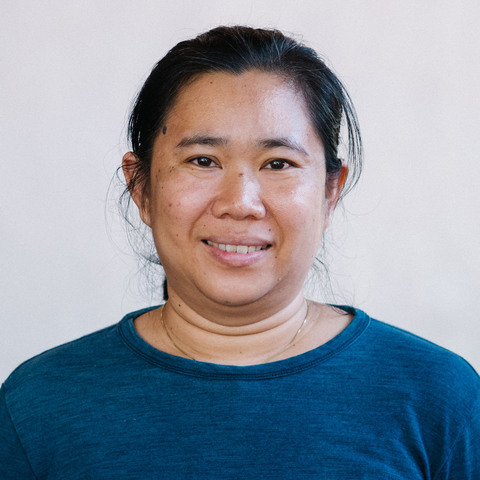
Phetdavanh Sipaseuth
Laos

Alfrison Paloga
Indonesia
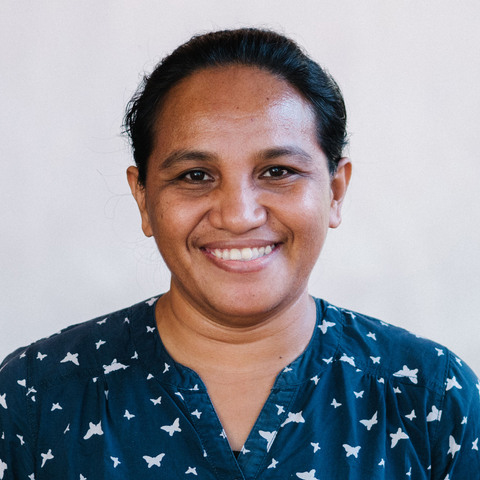
Fransiska Falentina Sugi
Indonesia

Phan Thi Ngoc Linh
Viet Nam