

Singapore
Kate Shieh
Kate Shieh is the Director for Asia Pacific at Toniic, a global action oriented community of high net worth individuals and family offices using capital to generate positive social and environmental outcomes. She builds and supports Toniic’s regional ecosystem by engaging members across Asia Pacific, shaping learning initiatives, and strengthening shared understanding of how values, capital deployment, and real world impact connect across climate and nature, health, and inclusive innovation.
A core part of Kate’s work is helping investors move from interest to action. She convenes members and partners around common themes, shared questions, and emerging opportunities, creating the conditions for collaboration through working groups, learning sessions, and curated connections. She supports collective learning and, where appropriate, coordinated action through co learning, co funding, and shared exploration of impact pathways.
Kate’s commitment to health equity is shaped by her curiosity about how culture, environment, and lived conditions influence wellbeing and opportunity. Early experiences, including volunteer service in rural Vietnam, left her with lasting questions about what enables solutions to be sustained and scaled over time. With roots in Singapore and Hong Kong, she has seen how disparities in access and outcomes persist, even when prevention and early intervention can save lives.
One of Kate’s most meaningful contributions has been supporting work related to the further development of digital health infrastructure in Hong Kong, as part of government efforts to strengthen primary and community based care. In a facilitative role, she worked with policymakers, technical agencies, healthcare and allied health professionals, and nonprofit organizations to clarify objectives, surface concerns around adoption and trust, and explore how digital systems can enable more coordinated care. In the next phase of her work, Kate aims to deepen cross sector partnerships that mobilize aligned capital toward prevention, stronger primary care, and more equitable health outcomes across the region.
Related Fellows
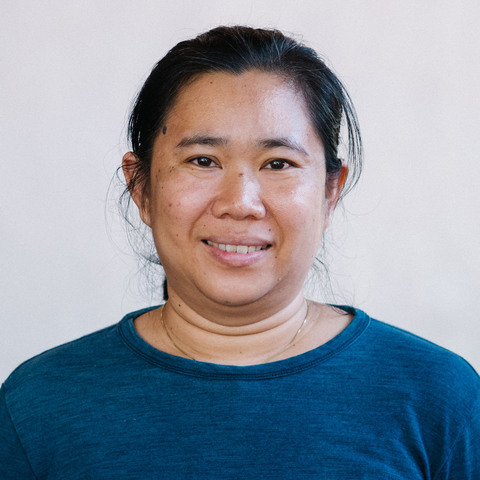
Phetdavanh Sipaseuth
Laos

Alfrison Paloga
Indonesia

Phan Thi Ngoc Linh
Viet Nam
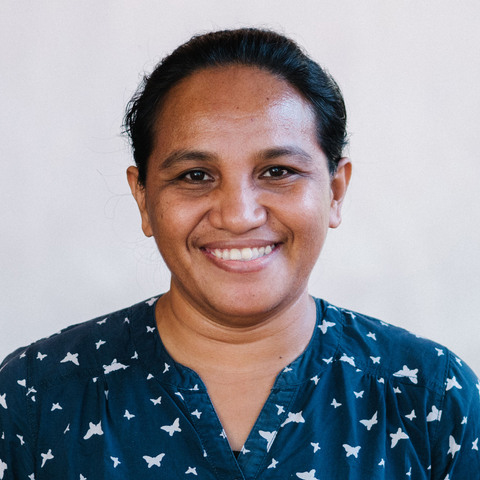
Fransiska Falentina Sugi
Indonesia