
Myanmar
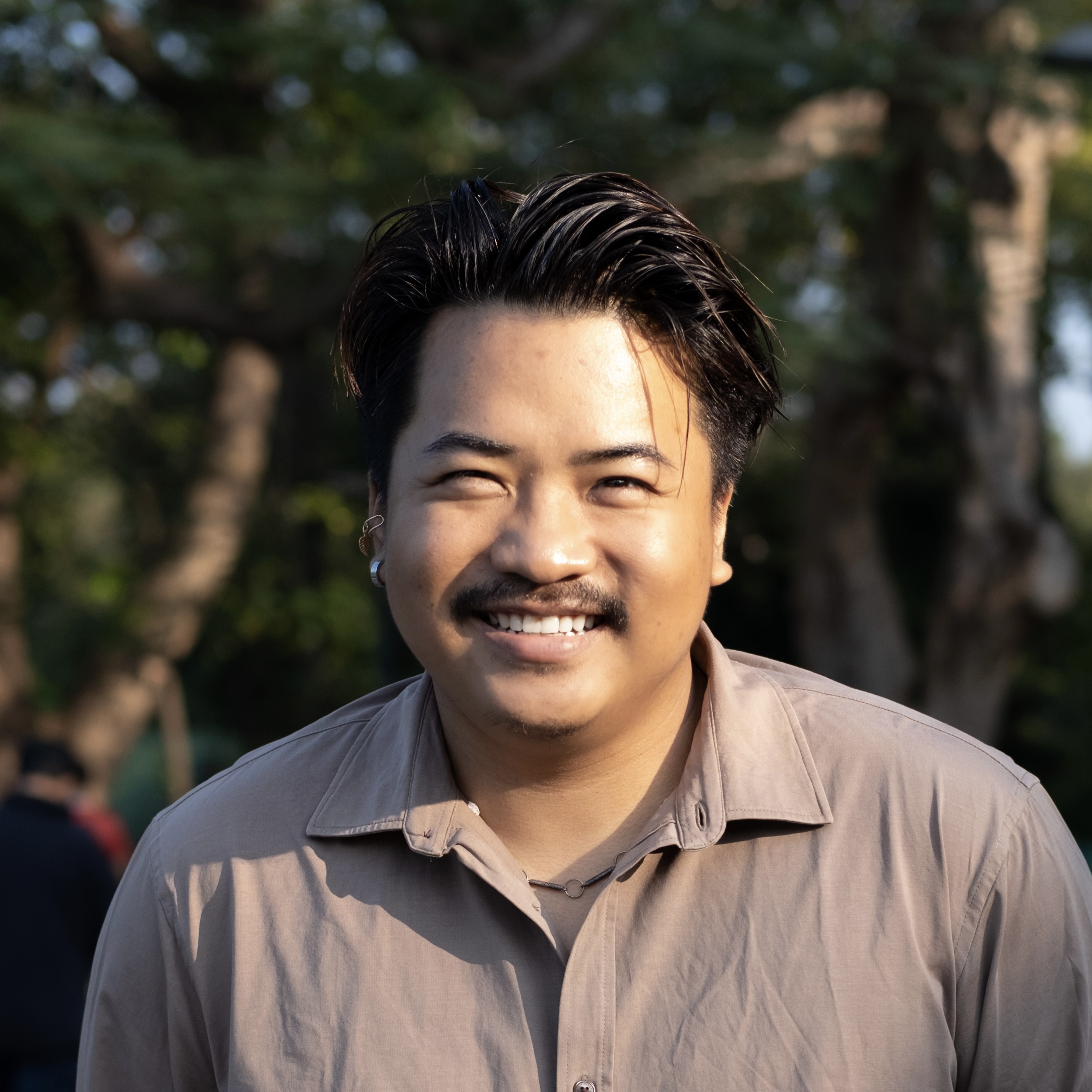
Henry Za Lal Lian
Henry Za Lal Lian is a public health specialist and qualitative researcher advancing health equity through the lens of social and gender dynamics in Myanmar. Trained as a medical doctor, he has over a decade of national, regional, and international experience across development and humanitarian contexts, working with civil society organizations, international NGOs, and UN agencies, including three years with UNICEF Zimbabwe and the UNICEF East Asia and Pacific Regional Office.
As a Chin queer man, Henry brings lived insight into how inequities in access, opportunity, and protection are produced and sustained. In 2015, he returned to Chin State to work with MSI Reproductive Choices, a formative turning point that exposed how gender norms, religious interpretations, and structural neglect intersect to shape health and wellbeing in profoundly unequal ways. This experience grounded his commitment to bodily autonomy as a fundamental human right, not a privilege reserved for a few.
Henry has played a leading role in generating evidence for populations often excluded from national health discourse. He led the conceptualization, fundraising, and publication of UNFPA’s 2021 report, “Mental Health and Psychosocial Needs of Myanmar’s LGBTQI Community”, one of the first nationwide mixed-methods studies documenting systemic mental health inequities faced by LGBTQI communities. More recently, he co-led the qualitative study “Gender, Mental Health, and Conflict in Chin State”, published in October 2025, which examined how armed conflict shapes gendered experiences, coping strategies, access to services, and the role of religion. He also served as a co-founder, strategic advisor, and gender specialist at the Chin Health Organization from 2022 to 2025.
Going forward, Henry is committed to strengthening locally led research and advocacy that inform inclusive policy and expand mental health support for conflict-affected and marginalized populations in Myanmar, ensuring programs and systems respond to lived realities and protect dignity and rights.
Related Fellows
Phetdavanh Sipaseuth
Laos
Alfrison Paloga
Indonesia

Phan Thi Ngoc Linh
Viet Nam
Fransiska Falentina Sugi
Indonesia