
Philippines
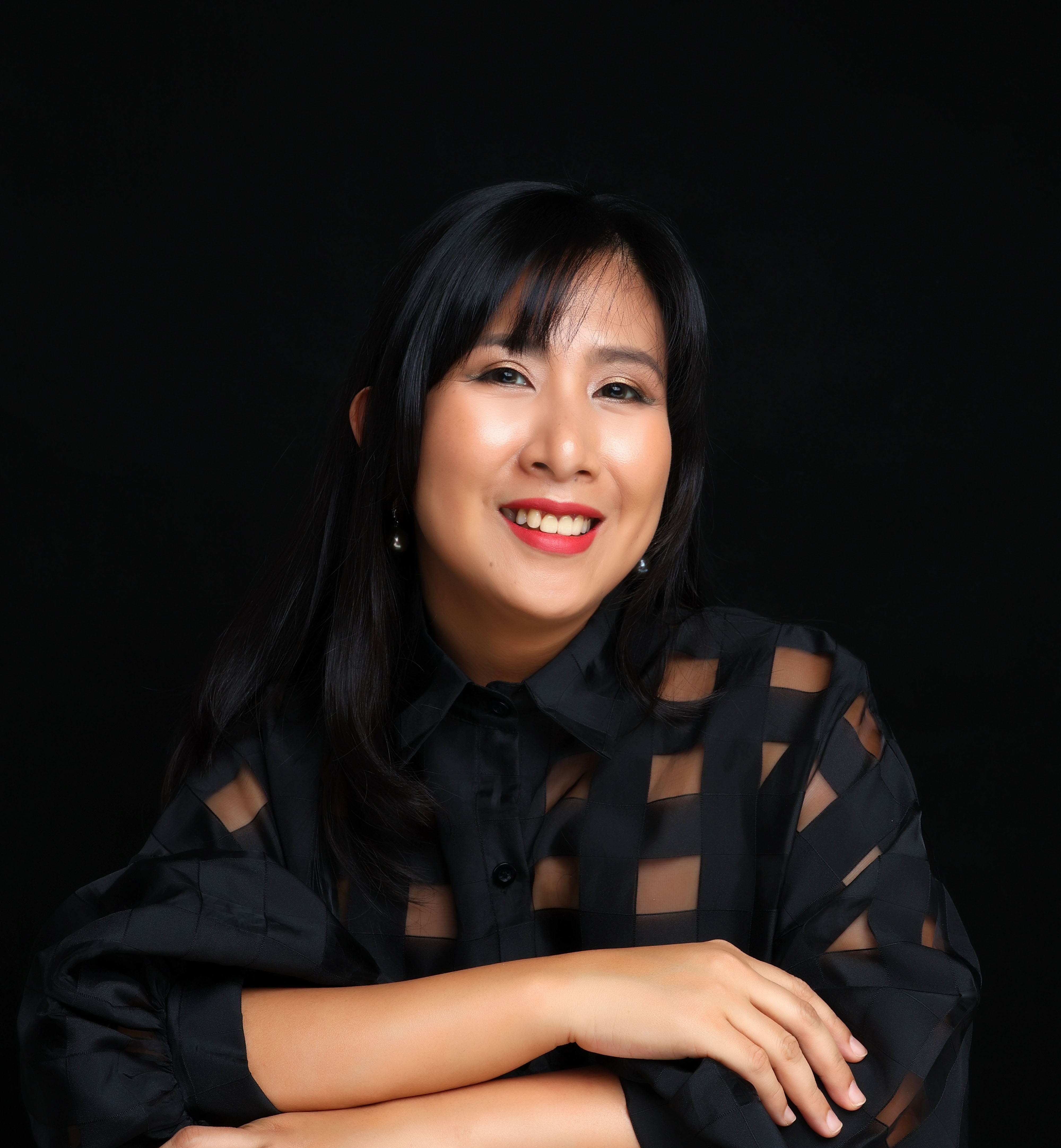
Geomilie Tumamao-Guttap
Geomilie Tumamao-Guittap is an architecture and urban planning researcher advancing disaster resilience, spatial justice, and health equity in vulnerable communities. Based in the Philippines, she works at the intersection of research, policy, and practice through the University of the Philippines School of Urban and Regional Planning, where she supports collaborative research development, and through the Planning and Development Research Foundation, where she provides planning assistance to State and non-State actors.
Since 2016, Geomilie has championed disaster resilience as a volunteer architect with the United Architects of the Philippines-Emergency Architects, serving as Chairperson of its rebranded Resilience Architects initiative (June 2022- May 2025). This socio-civic platform positions architects as nation-building partners for at-risk communities, translating evidence into solutions grounded in lived experience.
She supported the Moving Urban Poor Communities Towards Resilience Alternative Temporary Shelters project (2017–2021), co-designing and advocating for dignified evacuation solutions to protect health, safety, and dignity during disasters with various stakeholders. Across her work, Geomilie bridges academic rigor with grassroots practice, advancing planning approaches that treat health equity as inseparable from how cities are designed and governed. Currently a doctoral student at RMIT University, Geomilie explores floating and amphibious architecture in Vietnam’s Mekong Delta as a form of climate adaptation for flood-prone communities, through a participatory “deltaic practice” that focuses on living with water and centers communities as co-creators of adaptive futures for healthy, resilient, inclusive settlements.
Joining the EI Community, Geomilie envisions a Southeast Asian region where vulnerable communities are recognized as co-creators of their own resilience, where built environment interventions strengthen rather than undermine community capacity, and where spatial planning actively dismantles rather than perpetuates health inequities. She hopes to deepen collaborations, knowledge, and advocacy skills, and to advance planning and design that center community knowledge and environmental justice in practice, across the Philippines, Vietnam, and wider Southeast Asia.
Related Fellows
Phetdavanh Sipaseuth
Laos
Alfrison Paloga
Indonesia

Phan Thi Ngoc Linh
Viet Nam
Fransiska Falentina Sugi
Indonesia