

Singapore
Brandon Chua
Brandon Chua is a pharmacist and public health researcher committed to expanding healthcare access for marginalized communities. He is a researcher at the Health Intervention and Technology Assessment Program Foundation, where he generates and translates evidence to inform health policy across diverse contexts, with a focus on neglected tropical diseases and populations often missing from routine data and priority setting.
Brandon works at the point where evidence becomes action. He turns complex findings into practical recommendations that balance effectiveness, equity, and feasibility, helping decision-makers allocate limited resources for the greatest and fairest impact. His interests include women’s and children’s health, migrant health, and strengthening access to essential services in low-resource settings.
His equity focus was shaped by early field experience. At 18, Brandon volunteered with HealthServe in Singapore, an NGO supporting migrant workers. There, he learned how housing and working conditions, language barriers, and cost, can determine whether someone seeks care. He later supported service delivery in a hospital in West Africa, deepening his understanding that outcomes are shaped as much by social conditions and health system design as by clinical treatment.
Brandon brings a multidisciplinary perspective, with experience across public health institutions, the private sector, and academia. He also contributed to global efforts to strengthen the role of modelling in policy as part of the secretariat for the Lancet Commission on Strengthening the Use of Epidemiological Modelling of Emerging and Pandemic Infectious Diseases, supporting work to make modelling more rigorous, transparent, and policy-relevant.
Beyond research, Brandon is committed to mentoring and to bridging gaps between technical experts and communities, so policy reflects lived realities. He hopes to strengthen regional collaboration on equity-focused research and health technology assessment, ensuring prevention, diagnosis, and treatment policies reach those most likely to be left behind.
Related Fellows
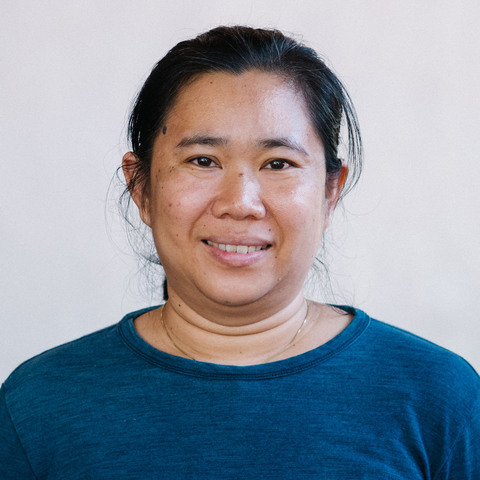
Phetdavanh Sipaseuth
Laos
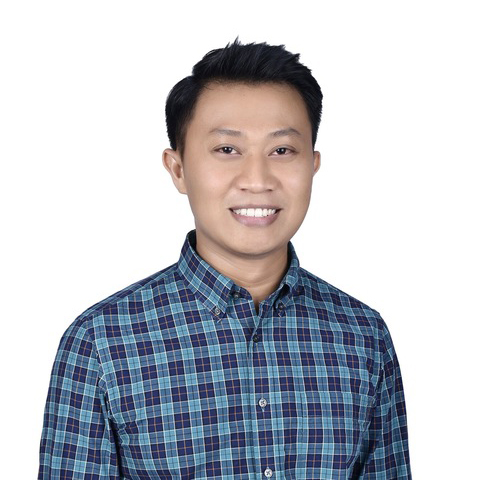
Alfrison Paloga
Indonesia
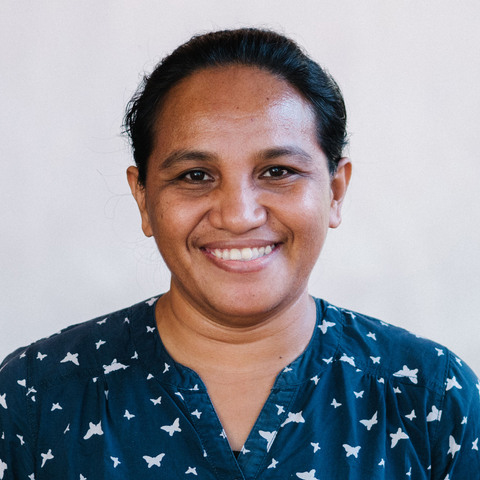
Fransiska Falentina Sugi
Indonesia

Phan Thi Ngoc Linh
Viet Nam